An Ancient Journey Home – Full Resolution Images Are Available.
Written In Autumn 2025.
I’ve always loved autumn.
Partly it’s the colours. Partly it’s the crisp air and the way the North York Moors seem to glow gold beneath the first light of day. But if I’m being completely honest, one of autumn’s greatest gifts is that sunrise finally arrives at a sensible hour. After a summer of alarm clocks going off at ridiculous times, it’s nice to photograph dawn without feeling like I’ve just finished a night shift.
With that in mind, I found myself heading out before sunrise and driving across the moors towards Cropton Forest.
Cropton is one of those places that seems made for early mornings. Mist hangs low between the trees while shafts of sunlight slowly work their way through the forest. Nothing happens quickly there. The whole scene unfolds gradually as the sun climbs above the horizon and the woodland begins to wake up.
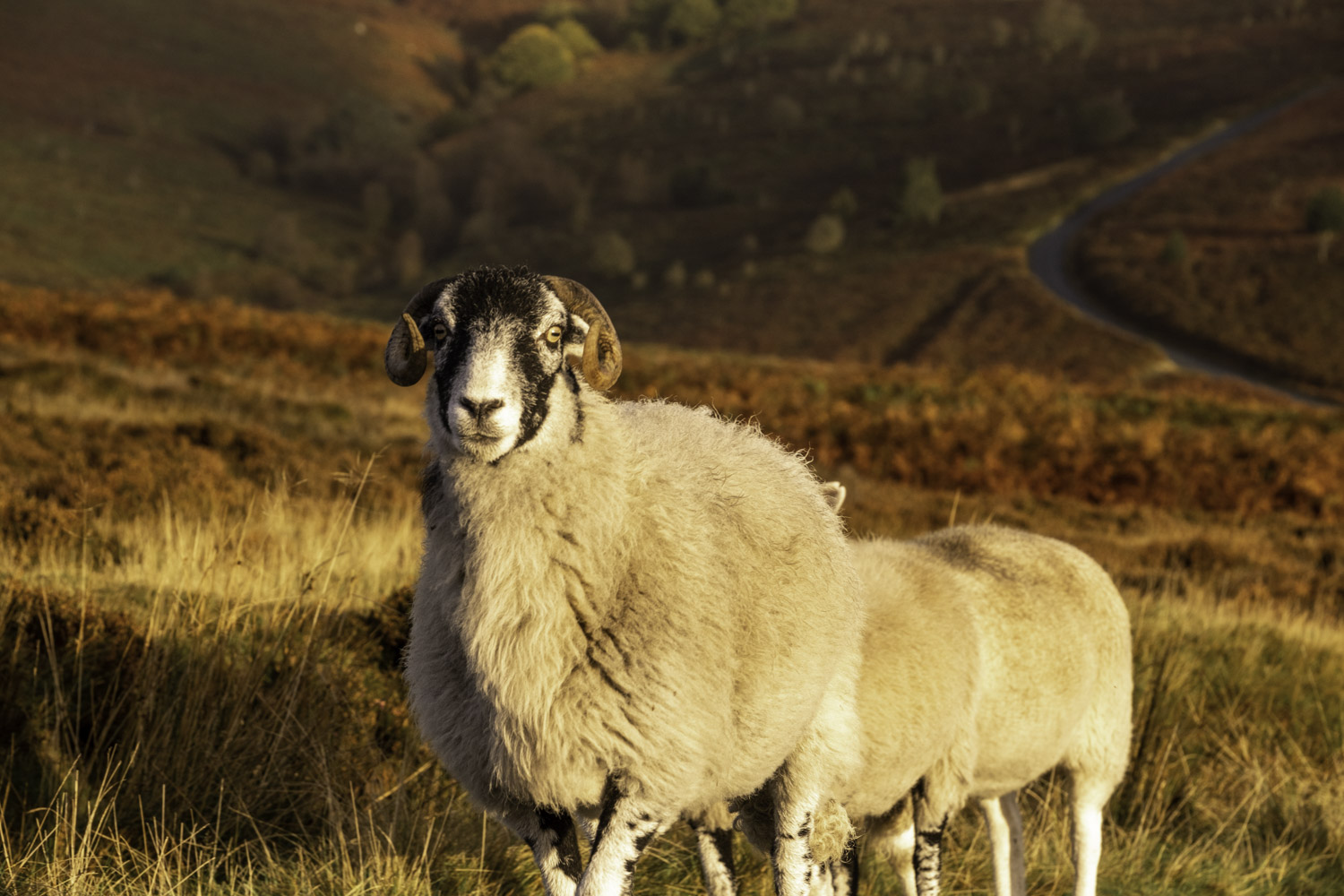
North Yorkshire In Autumn – Stape Road To Cropton Forest
I spent a while photographing the mist and the morning light, but the real reason for the trip lay further downstream in the Esk Valley.
I had set myself a challenge. To tell the story of one of nature’s greatest migrations. A journey that has been taking place for far longer than any of us have been around and perhaps for longer than Whitby itself has existed.
The story begins with salmon and sea trout spawning in the River Esk and its tributaries. Their young hatch in the gravel beds and spend months, sometimes years, growing in freshwater before eventually heading downstream and out into the North Sea.
Before they leave, however, something remarkable happens. Scientists believe the fish learn the unique chemical signature of their home river, effectively memorising its taste and smell. Years later that memory will guide them back.
Where they go after leaving Whitby remains something of a mystery. Some travel enormous distances. We know from tagging studies that fish from the Esk have been recovered as far away as Iceland, which means a fish born in a small Yorkshire river may spend years swimming in northern waters before eventually beginning the journey home.
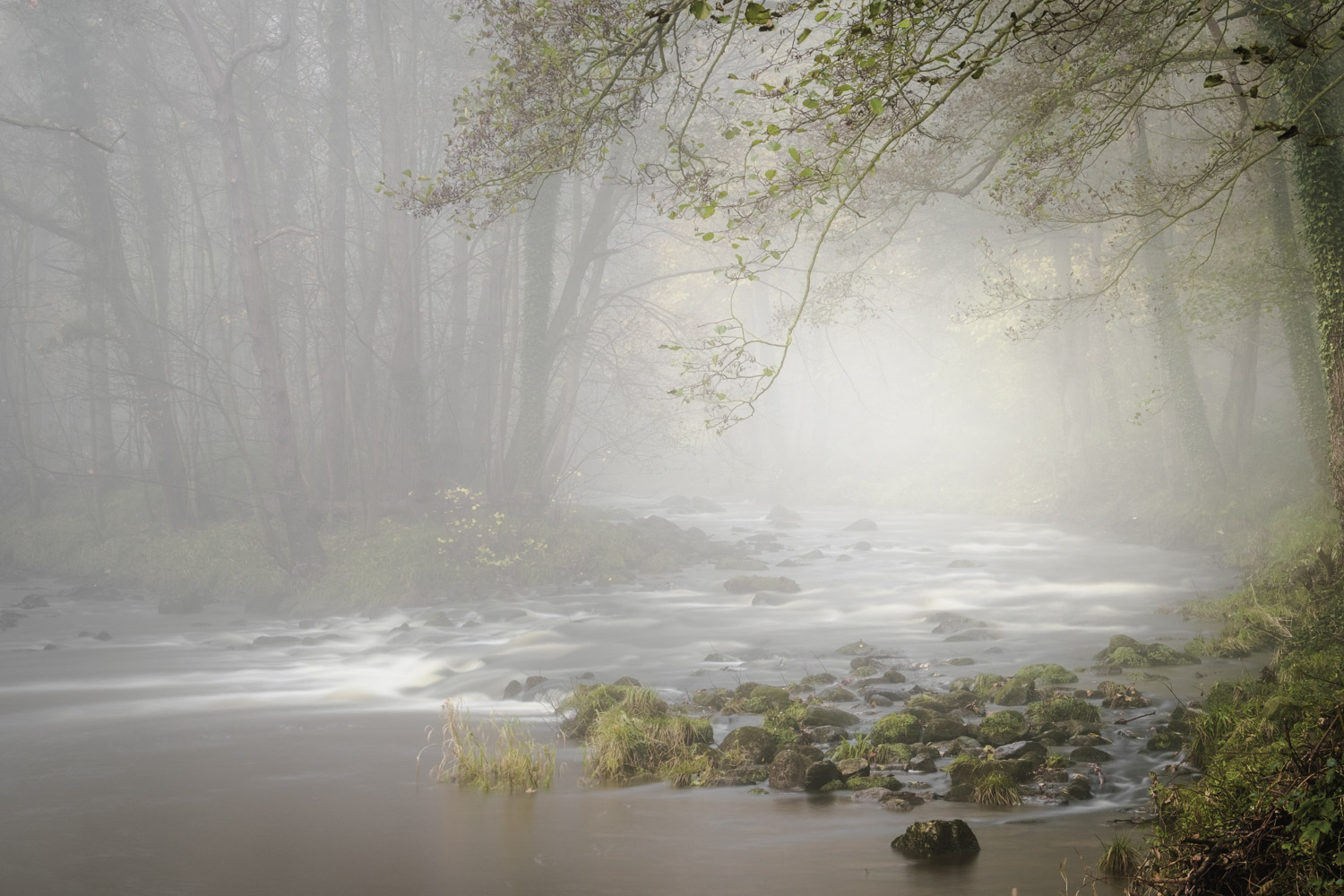
Egton Bridge In Autumn
It’s a fascinating thought. As the Scoresbys sailed north through Arctic waters in search of whales, salmon from the River Esk were making journeys into those same northern seas. One story found its way into history books. The other has largely gone unnoticed despite being repeated year after year for countless generations.
Eventually the fish begin to return.
Not simply to Yorkshire, but often to the very same river system where they began life. Three, four or sometimes even more years after leaving, they somehow find their way back to the Esk. Drawn by a memory we still do not fully understand, they return to spawn and begin the cycle once again.
Most die after spawning. Some survive and manage to return to the sea, where they may repeat the entire journey all over again.
Every year the migration follows a broadly similar pattern. A few fish begin arriving in spring. By June the numbers increase and more continue to arrive throughout the summer. Then, as autumn approaches, the main migration begins.
By October there are times when the river seems alive with fish. Old anglers used to joke that you could walk across the Esk on the backs of sea trout. That may be an exaggeration, but only just.
Some of you may remember the video I made about the sea trout netters. A few people were convinced the nets would catch every fish entering the river. The reality is rather different. Plenty of fish pass through untouched and, by the time the main autumn migration begins, the legal netting season has already ended.
This year, however, things were a little different.
The River Esk is a spate river, meaning fish often rely on periods of heavy rainfall to help them move upstream. During dry weather the river can become shallow and difficult to navigate, causing fish to gather in the lower reaches while they wait for suitable conditions.
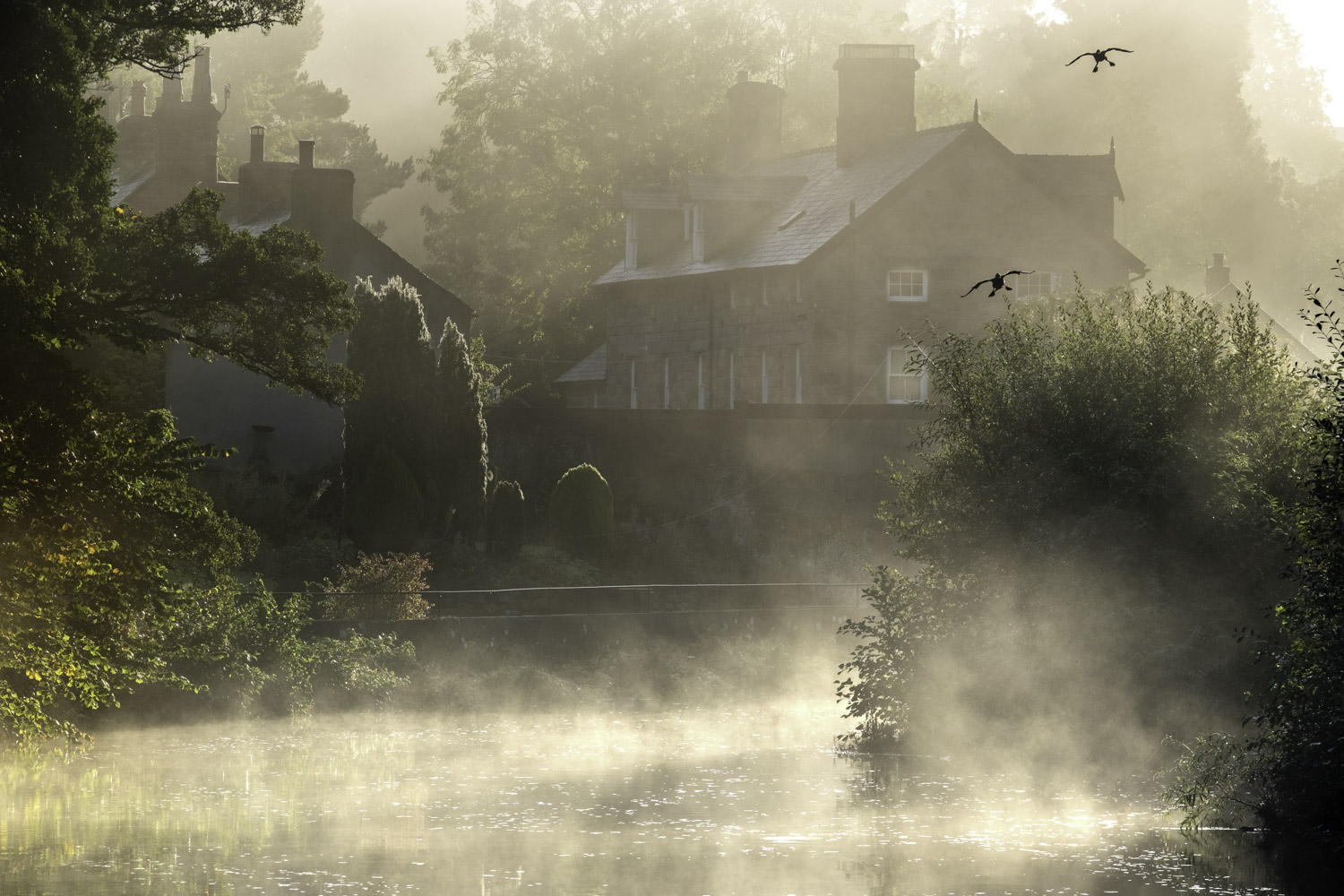
Autumn Mornings On The Esk – Mist At Egton Bridge
Yorkshire experienced a prolonged dry spell this year. Week after week passed with very little rainfall. The fish arrived as normal, but many could go no further. They gathered in Whitby Harbour, the estuary and the deeper pools of the lower river, waiting for the rain that would allow them to continue their journey.
Then last weekend the weather finally changed.
A month or more of rain seemed to arrive almost at once. Water levels rose rapidly throughout the Esk catchment and the river was transformed. Gravel runs disappeared beneath deeper water, shallow obstacles became passable and, almost overnight, the route upstream reopened.
For the fish, it was finally time to move.
For me, it was time to grab the camera and head back to the river.
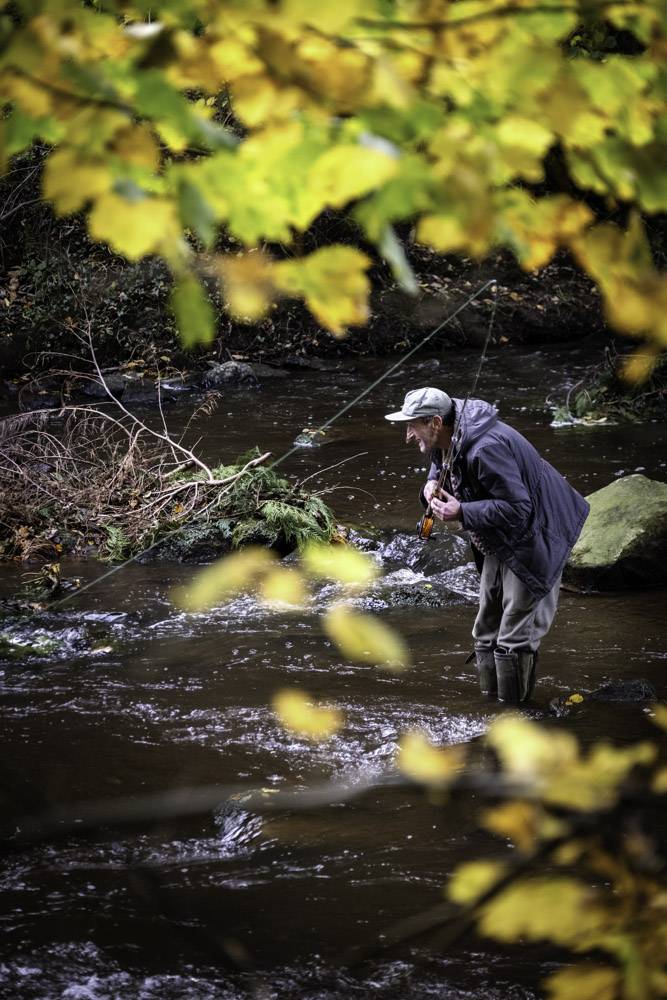
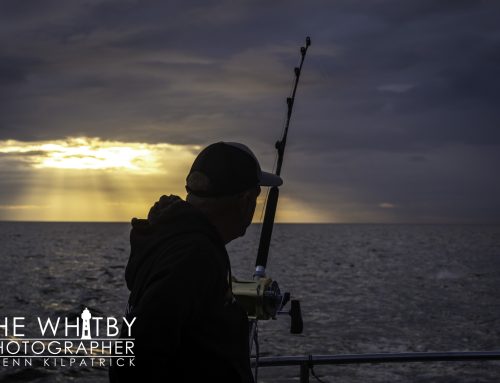
Early Morning Angler On The Yorkshire Esk
What happens next is one of the most remarkable natural events in North Yorkshire. Under the cover of darkness, fish begin pushing upstream towards the places where they were born. Some leap weirs. Others navigate fast water and shallow rapids. All are driven by the same ancient instinct that has guided salmon and sea trout home for thousands of years.
Standing beside the Esk, it’s impossible not to feel a sense of perspective.
Whitby feels ancient to us. The Abbey dominates the skyline. Generations have lived and worked around the harbour. Empires have risen and fallen. Industries have come and gone.
Yet throughout all of it, these fish have continued returning.
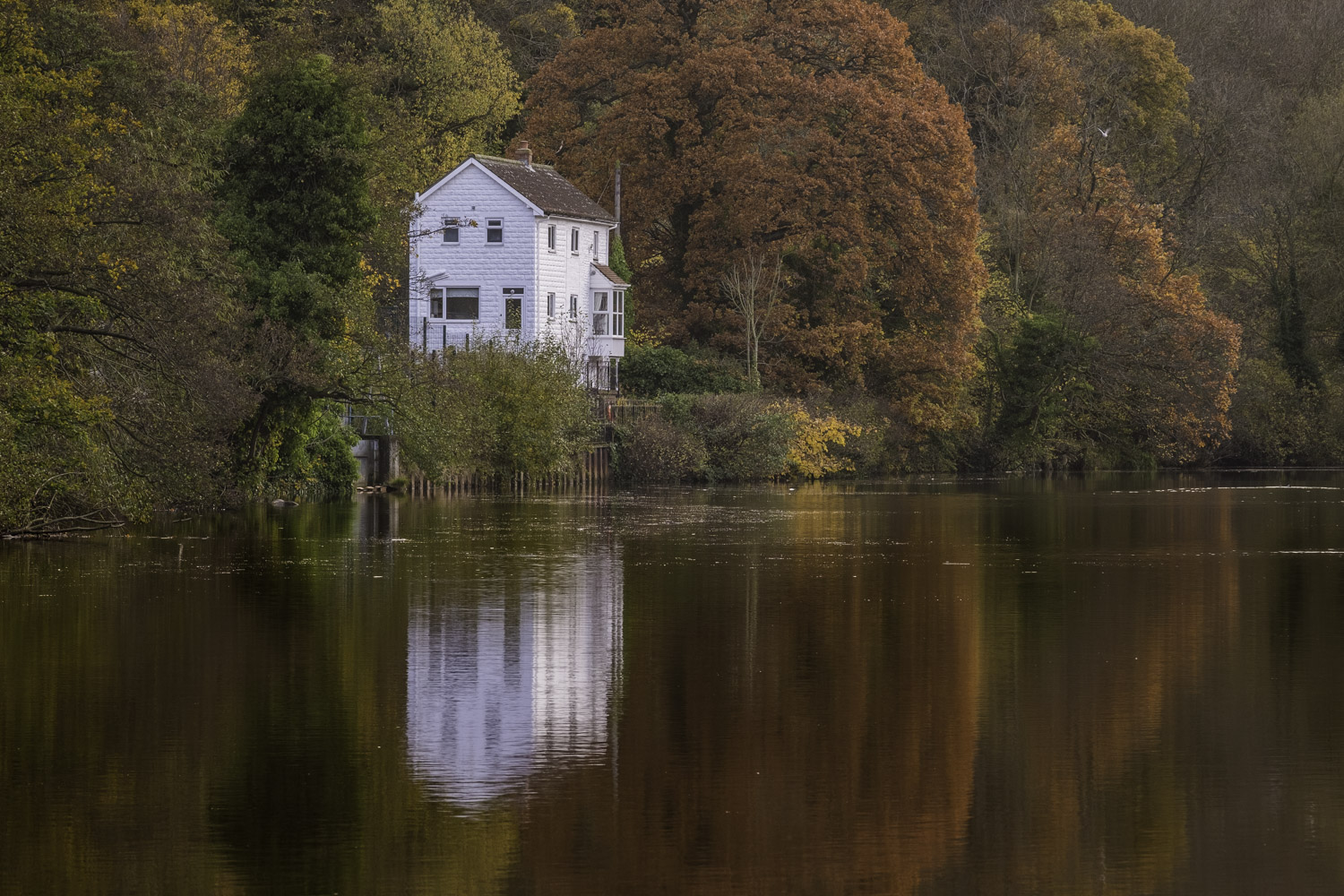
Autumn On The River Esk At Ruswarp
Long before the Abbey was built, salmon and sea trout were entering the Esk. Long before any of us arrived, they were following this same route between river and sea. As Captain Cook prepared to leave Whitby and sail into history, salmon and sea trout were slipping quietly through the harbour on a journey far older than any chart he carried. Cook left home to discover the world. The fish left the world to come home.
Each autumn they pass the harbour walls, travel beneath the Swing Bridge and continue upstream into the river beyond. There are no crowds waiting to greet them and no fanfare to mark their arrival. They simply follow an ancient rhythm that has remained largely unchanged for thousands of years.
They spawn, they die and the cycle begins again.
Perhaps that’s why I find the migration so fascinating. While we measure time in years and generations, the river measures it in cycles. Long after we are gone, the Esk will continue flowing to the sea and, if we look after it properly, salmon and sea trout will continue returning home.
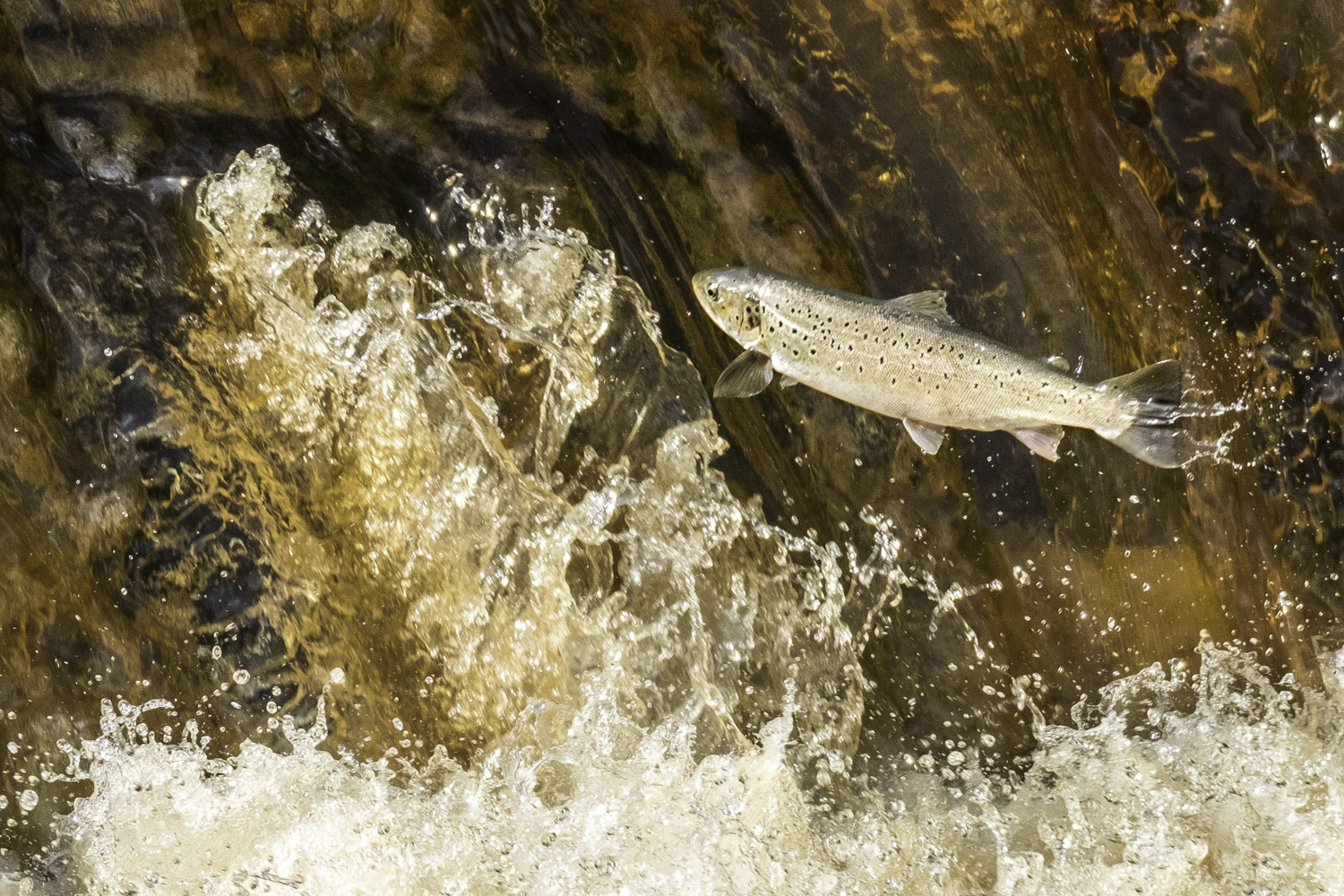
Yorkshire River Esk Sea Trout Migration