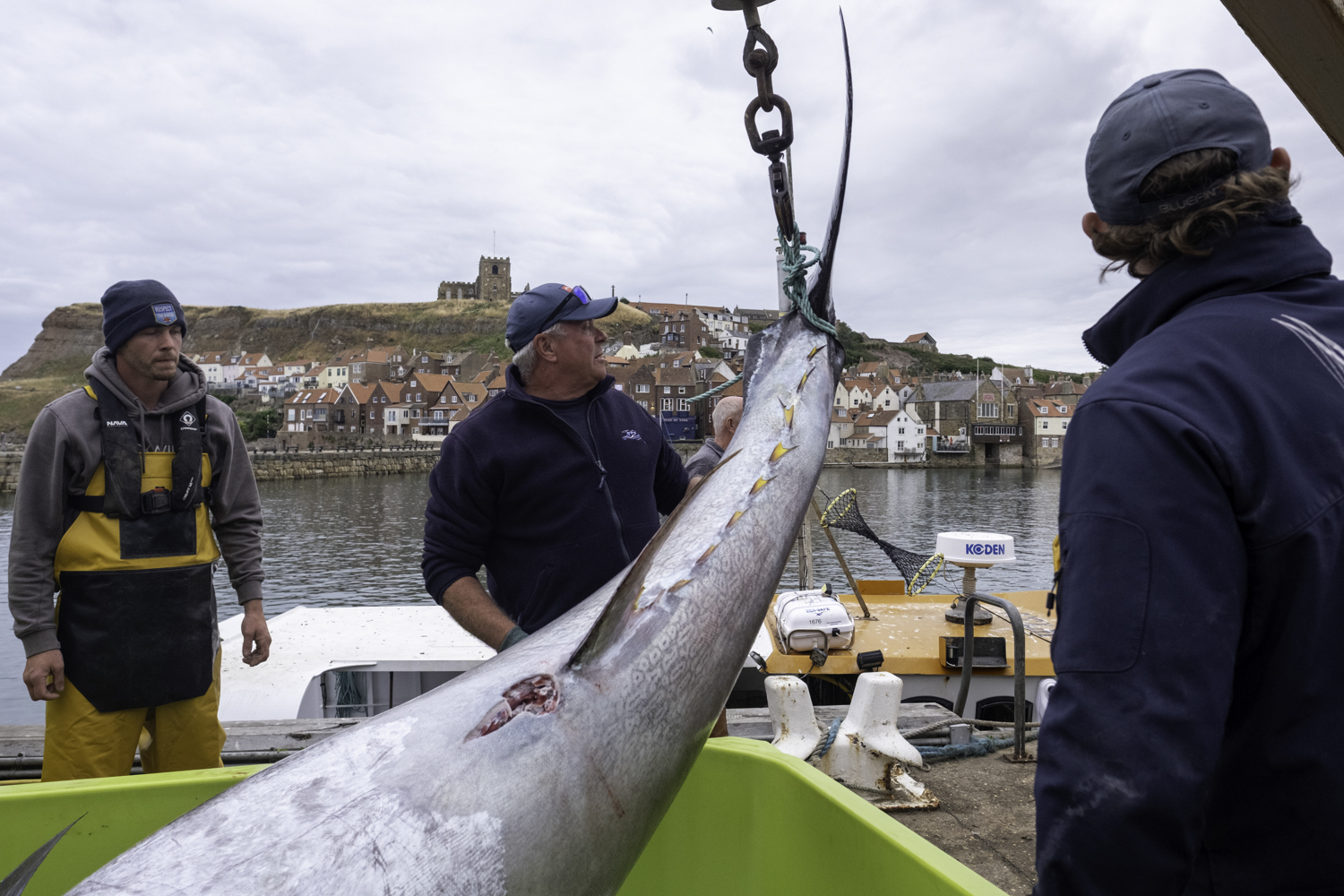
The Last Troutmen of Whitby – Written In 2025 – Full Resolution Images Are Available.
Every June, while most people are thinking about beaches, ice creams and summer holidays, a small group of fishermen are quietly setting nets in the North Sea off Whitby.
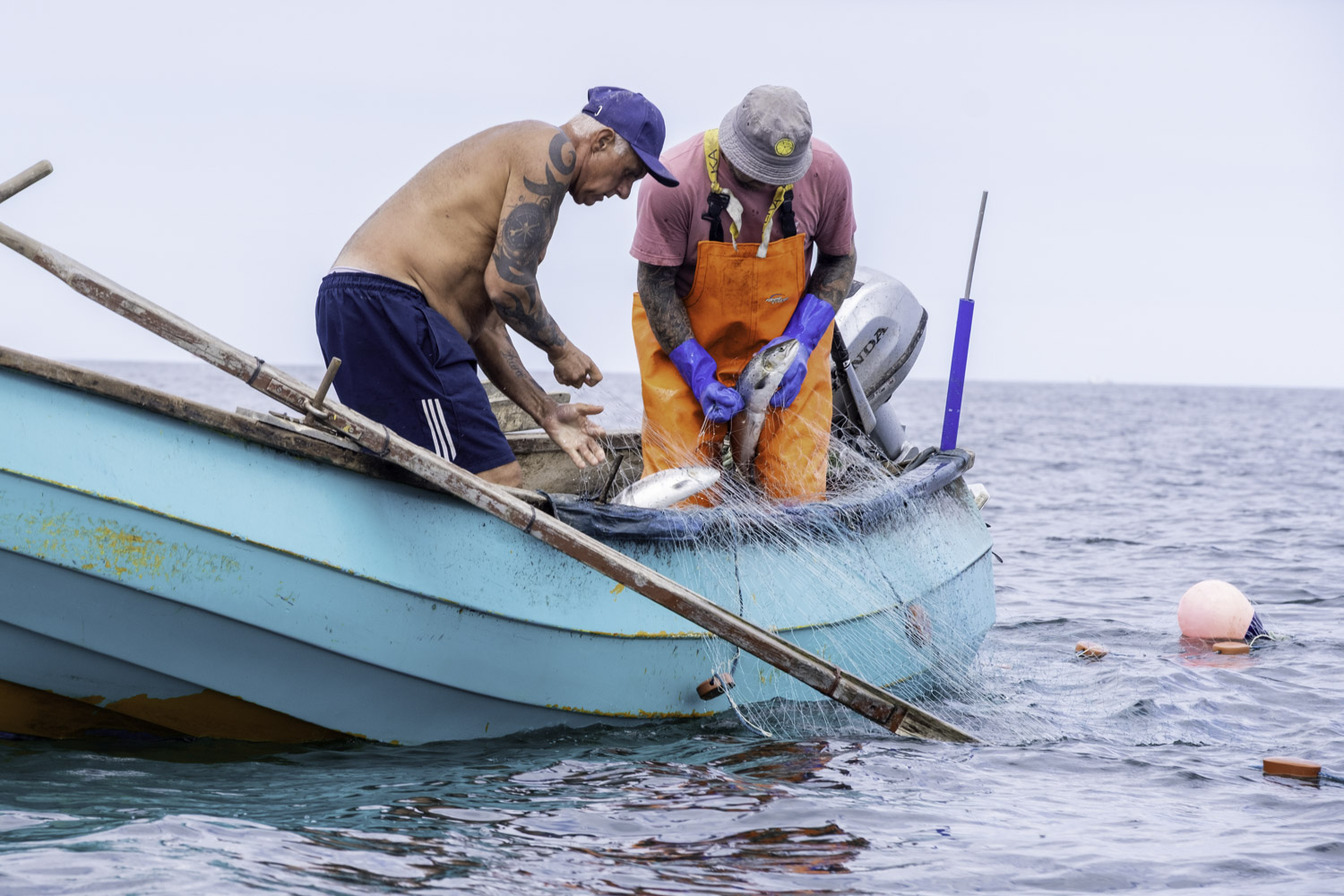
Yorkshires Last Trout Fishermen – Gordon Morrison And Robert Taylor
Most people don’t even know they exist.
For generations, migratory sea trout and salmon have been netted along the Yorkshire coast. Today, however, the fishery is slowly disappearing. Not through some dramatic collapse or overnight ban, but through a gradual process of decline that few people outside the fishing community even notice.
Historically there were two methods of fishing.
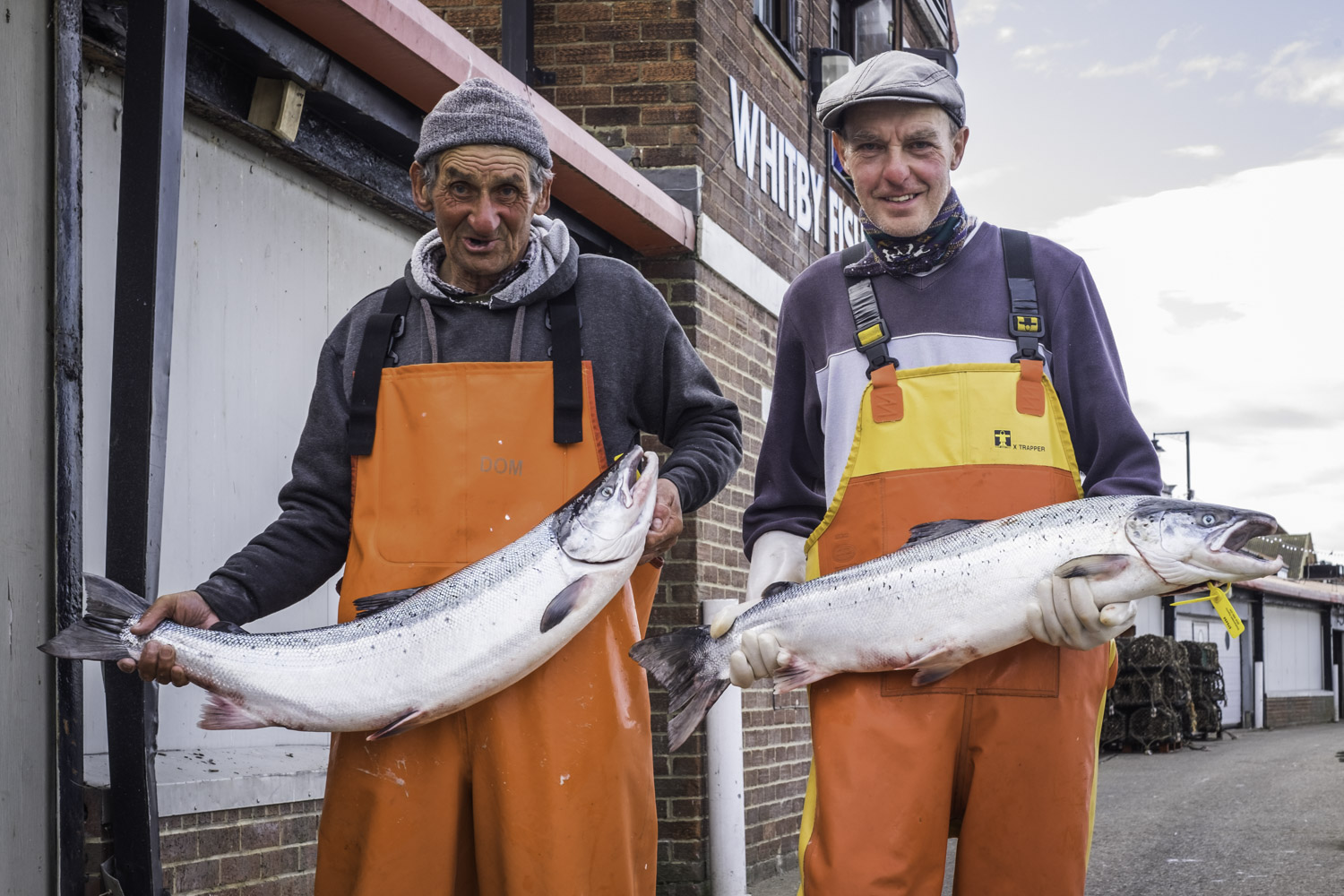
The Last Salmon Men Of Yorkshire – Martin Hopper And Eckitt Breckon.
The first was drift netting, where a net was allowed to move naturally with the tide. It was often an effective way of catching fish and tended to produce larger salmon and sea trout than the fixed nets. Many fishermen believed these larger fish were heading towards major rivers such as the Tees, Tyne and Wear, rivers capable of producing some truly impressive fish.
Several years ago the drift net fishery came to an end.
The Environment Agency offered compensation to fishermen willing to surrender their licences and, by all accounts, it was a fair offer. Most accepted the money and moved on. One man chose a different path.
Martin Hopper, fishing from his boat Courage, refused to hand his licence in.
While other Yorkshire fishermen left the fishery, Martin continued alone. For several years he remained the last drift net fisherman on the coast until the Environment Agency eventually closed the fishery completely, bringing an end to drift netting in Yorkshire waters.
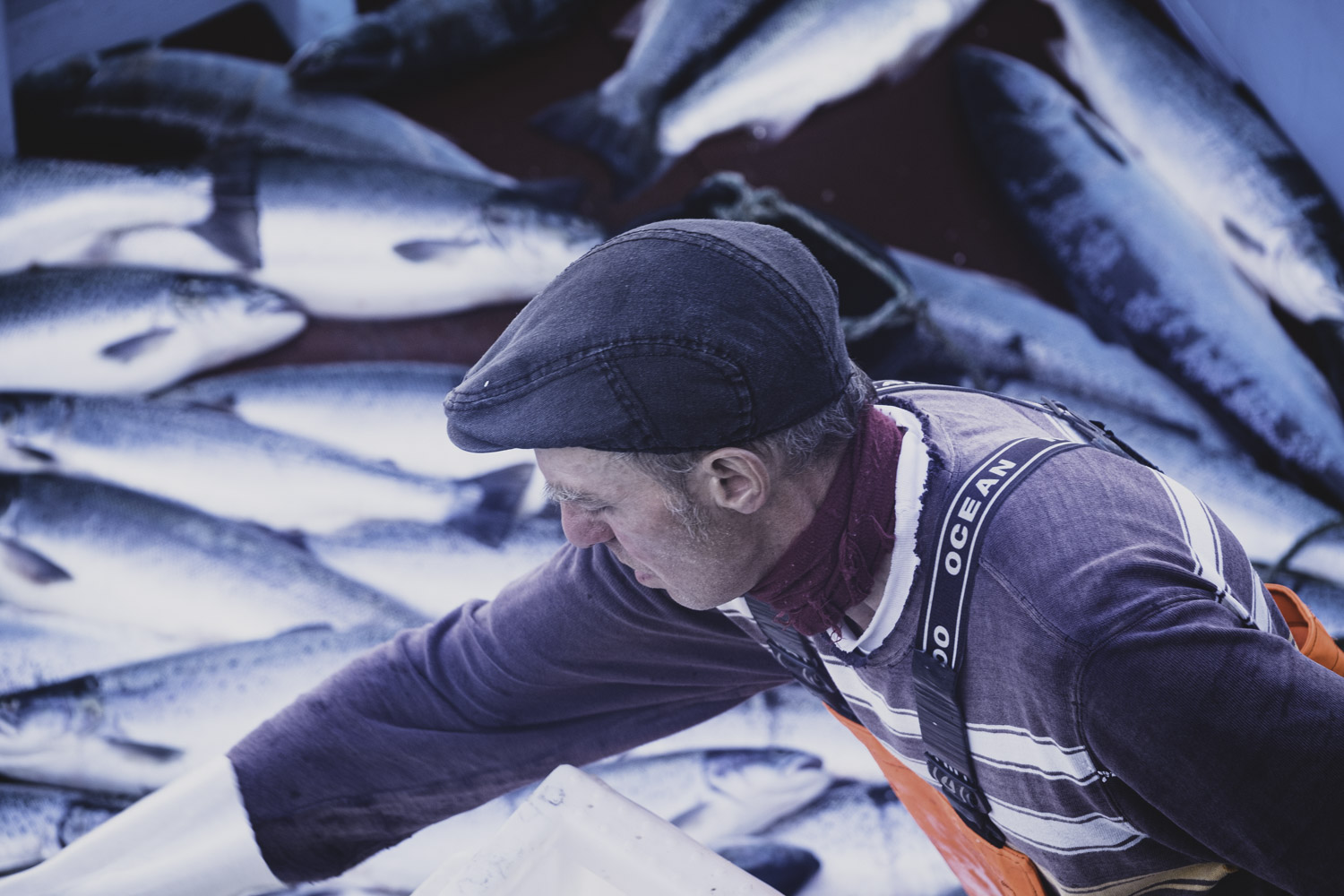
Whitby’s Last Drift Fisherman Martin Hopper
Today only fixed net fishing remains.
Known locally as TNJ fishing, the nets are anchored close to the shore and are not allowed to drift with the tide. It is a very different style of fishing, but one that has formed part of life on the Yorkshire coast for generations.
Even this fishery now faces an uncertain future.
Years ago fishermen could work from May until the end of August, giving them four months to make a living. Today the season lasts only two months, May and June.
The problem is that May is often one of the poorest months of the year. The trout have usually only just started arriving off the coast and spring weather can be difficult. Strong easterly winds frequently prevent boats from getting to sea, meaning fishermen can lose large parts of an already shortened season.
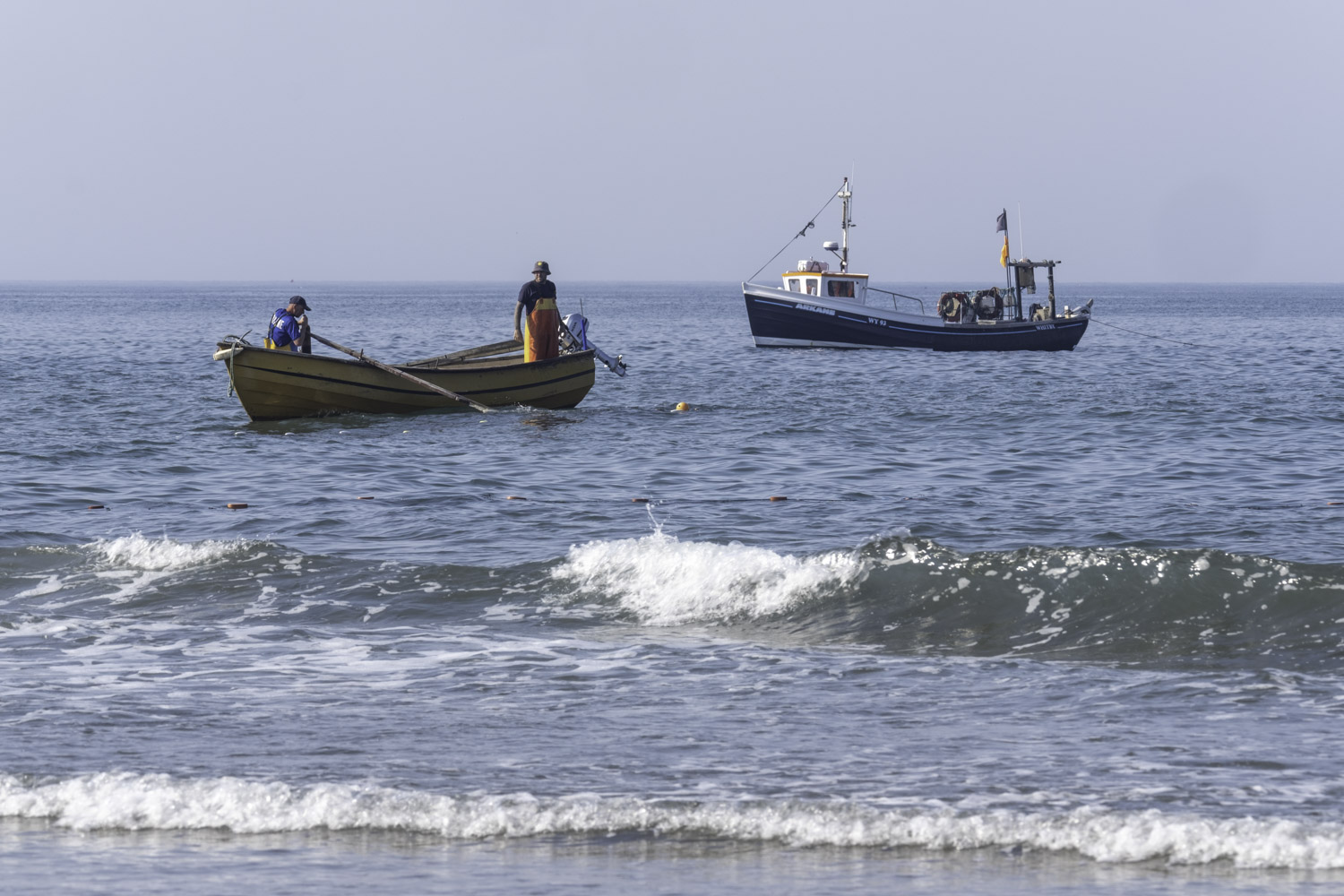
Yorkshire Coast Fixed Net Trout Fishing TNJ
June can be productive, but it is never guaranteed.
In 2024 the weather was so poor that none of the remaining boats made enough money to cover the cost of their licence. That simple fact perhaps tells the story better than any statistic ever could.
Restrictions have increased in other ways too.
Salmon may no longer be landed and only trout can be retained. More significantly, no new TNJ licences will ever be issued by the Environment Agency.
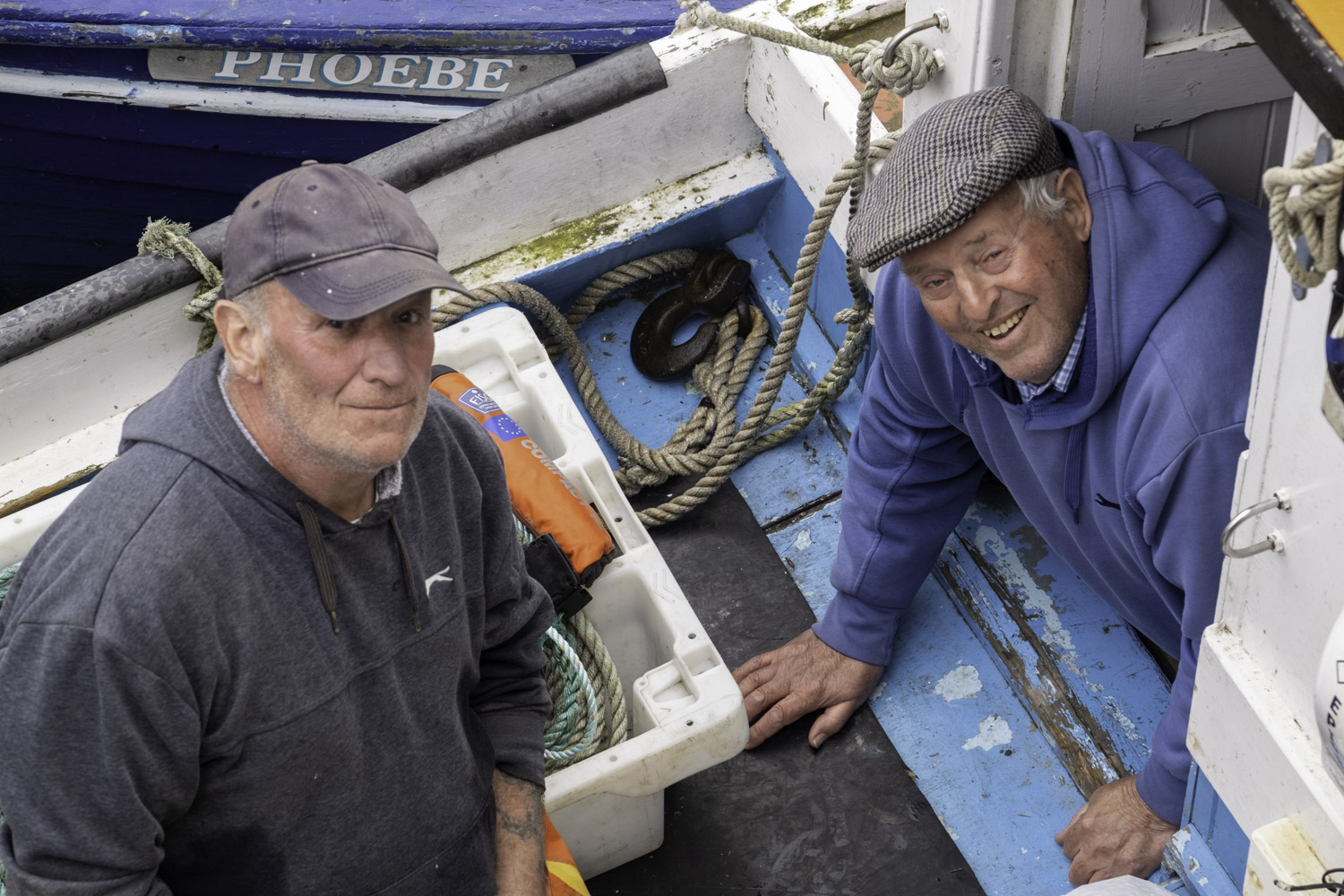
Louis Breckon Whitby Salmon Man
When a licence holder dies, the licence dies with them. It cannot be passed on to a son, daughter or family member. It simply disappears forever. As a result, the fishery becomes smaller every year regardless of how many fish remain in the sea.
Recently Whitby lost one of its best-known salmon fishermen when Billy Breckon passed away. His licence has now gone forever. His friend Louis Breckon has also been struggling with poor health, and many of the remaining licence holders are now well into later life.
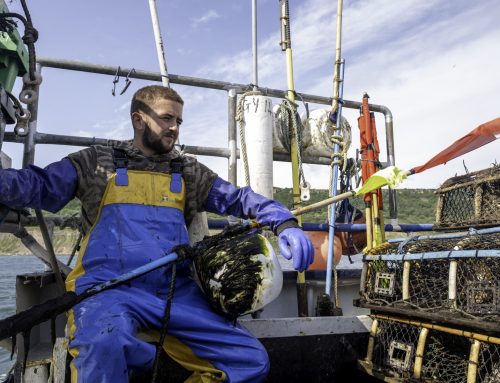
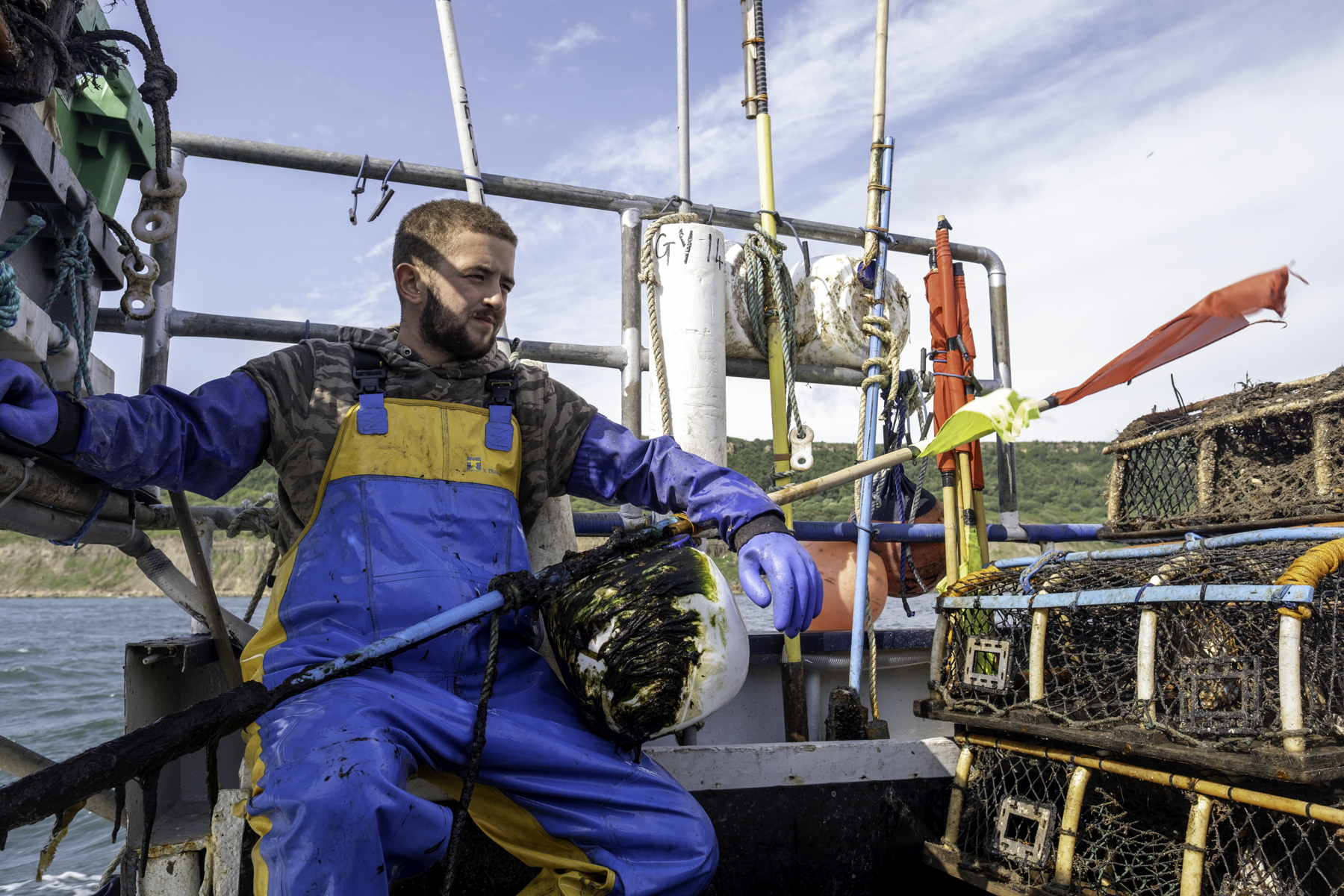
The youngest licence holder today is Gordon Morrison aboard Arkane 2.
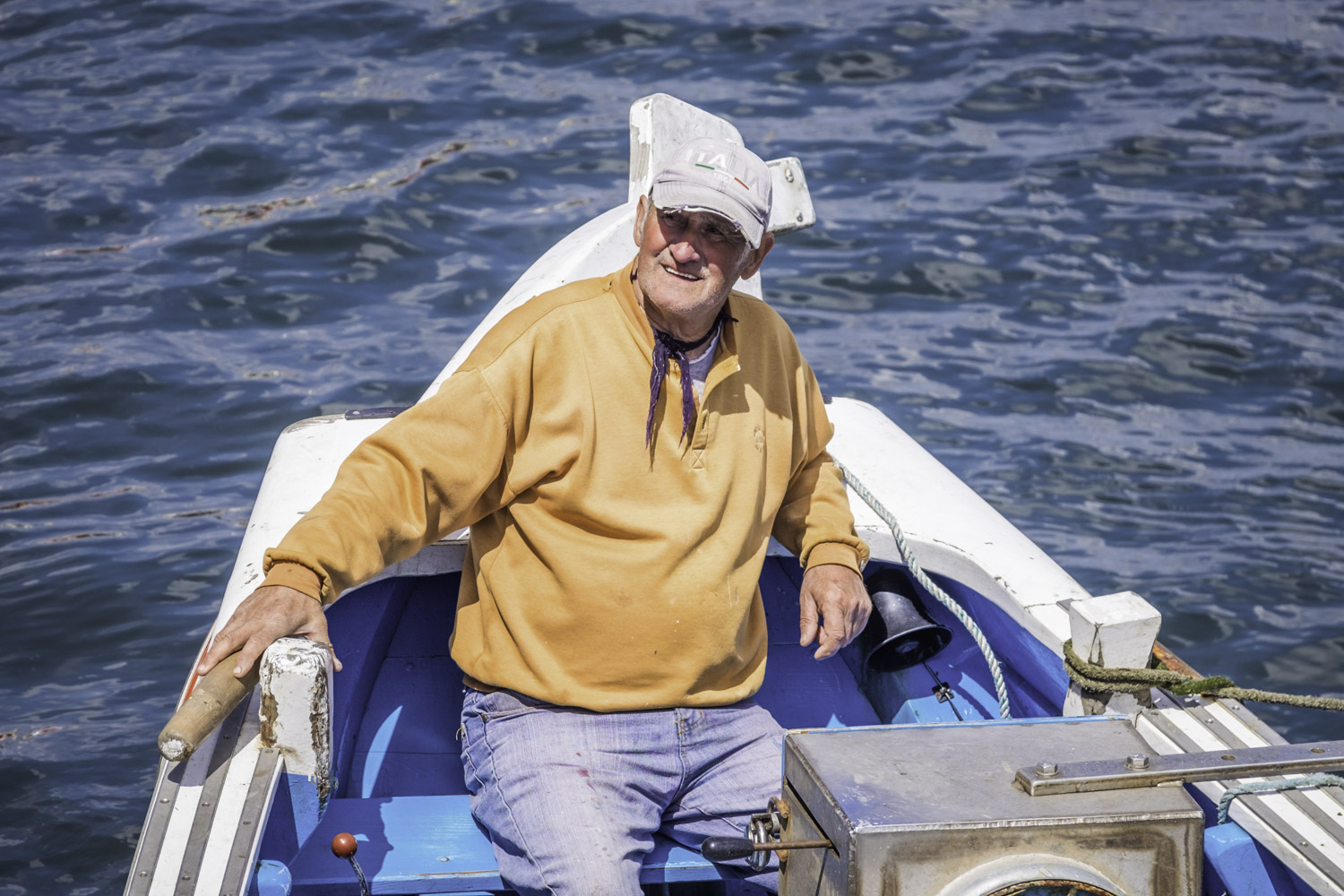
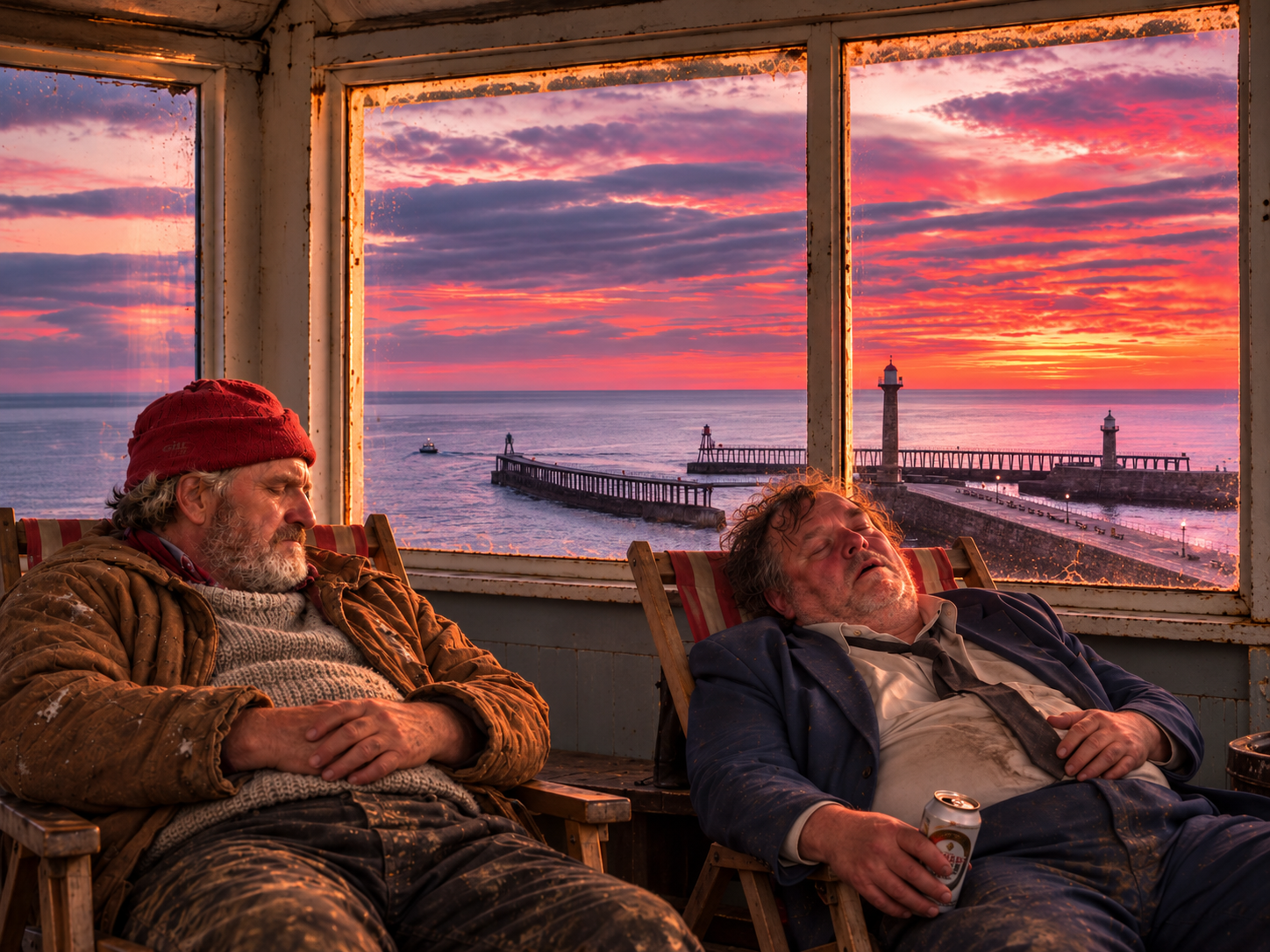
Billy Breckon RIP – Whitby’s Last Salmon Men
Gordon is 55 years old.
That single fact perhaps says more about the future of the fishery than anything else. Nobody knows for certain why salmon and sea trout numbers have declined. Scientists point towards climate change, changing ocean conditions, river pollution and habitat loss. Fishermen often point towards the rapidly growing seal population, while others highlight agricultural runoff entering rivers and estuaries.
The truth is probably that there is no single cause.
Dolphins hunt trout and salmon. Seals hunt trout and salmon. Anglers catch trout and salmon. Farmers, scientists, conservationists and fishermen all have different explanations, and each may hold part of the answer.
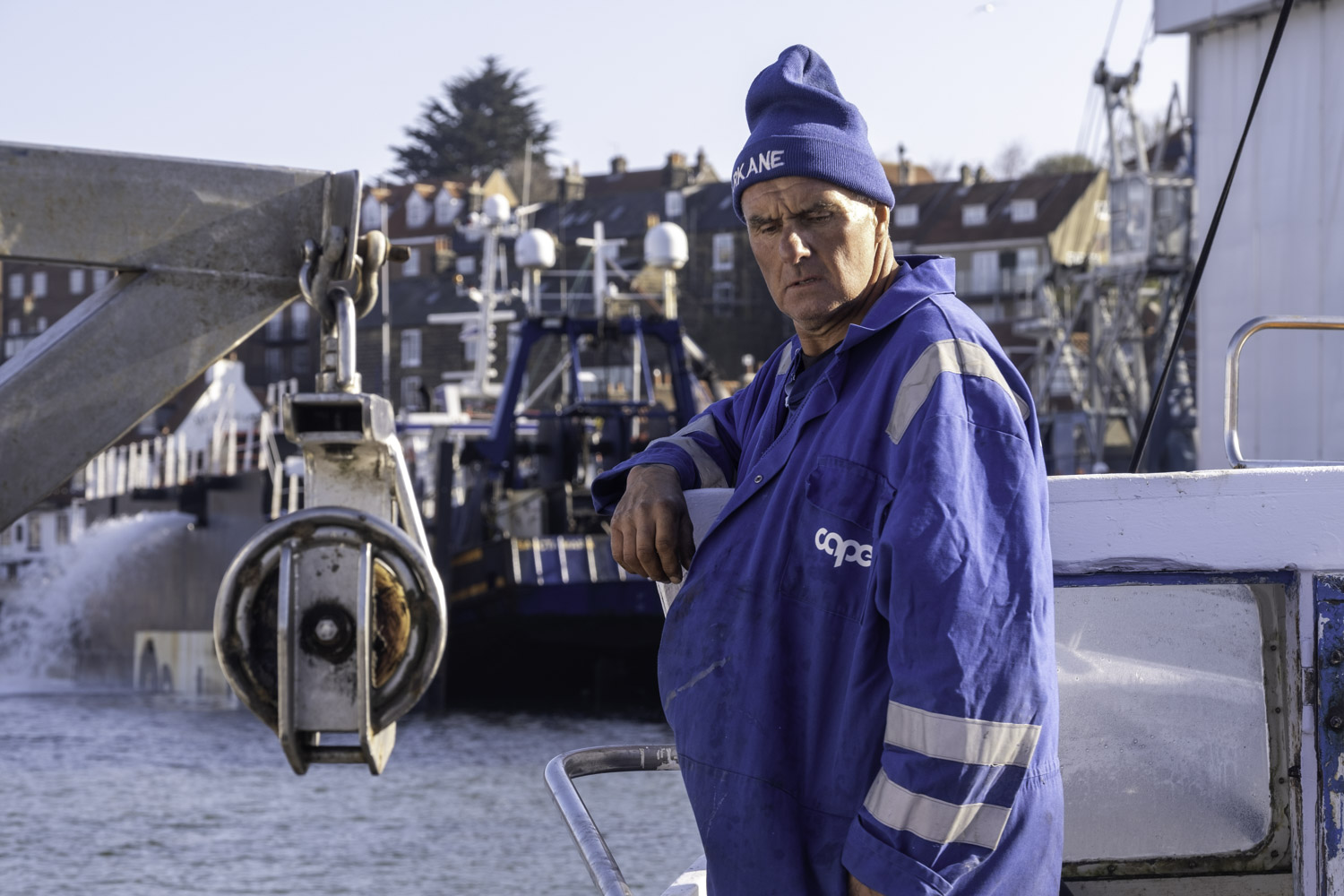
Whitby’s Gordon Morrison. The Youngest Of The Remaining Trout Men
What is clear is that fish numbers have continued to struggle despite the number of net fishermen falling dramatically.
As the boats disappear, the fish have not returned in the numbers many hoped they would. That suggests the problems facing migratory fish may be much larger and more complex than simply blaming the remaining fishermen.
Over the past few years I have spent time aboard some of the remaining boats, watching these men work and listening to their stories. What struck me most was not anger or bitterness, but a quiet acceptance that they may be witnessing the end of something.
Many of these fishermen followed fathers, uncles and grandfathers into the fishery. Some have spent decades setting the same nets along the same stretch of coastline. The fishery is not simply a way of earning money. It is part of who they are.
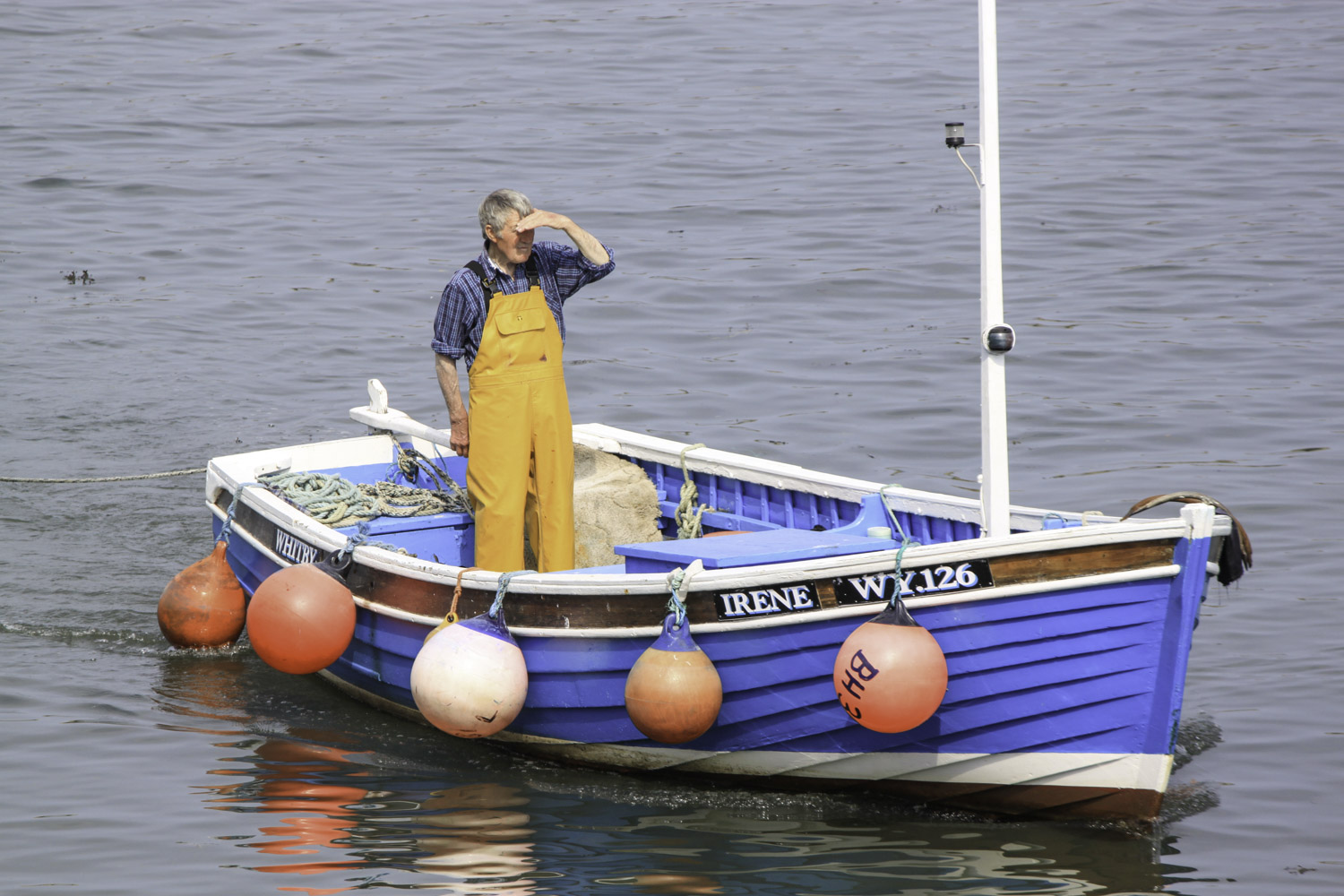
Bob Marsden RIP Whitby’s Last Salmon Men
Perhaps the saddest aspect of all is how quietly it is happening.
There are no dramatic headlines and no grand farewell. Just fewer boats each season, fewer fishermen, fewer licences and fewer familiar names around the harbour.
One day the last remaining TNJ fisherman will haul his nets for the final time.
When that happens, his licence will disappear with him and another small piece of Yorkshire’s maritime heritage will be gone forever.
Most people probably won’t notice.
But future generations walking Whitby’s harbour side will be looking out across a sea that once supported a fishery stretching back hundreds of years. The trout will still swim past the town as they always have. The rivers will still call them home.
The fishermen, however, will be gone.
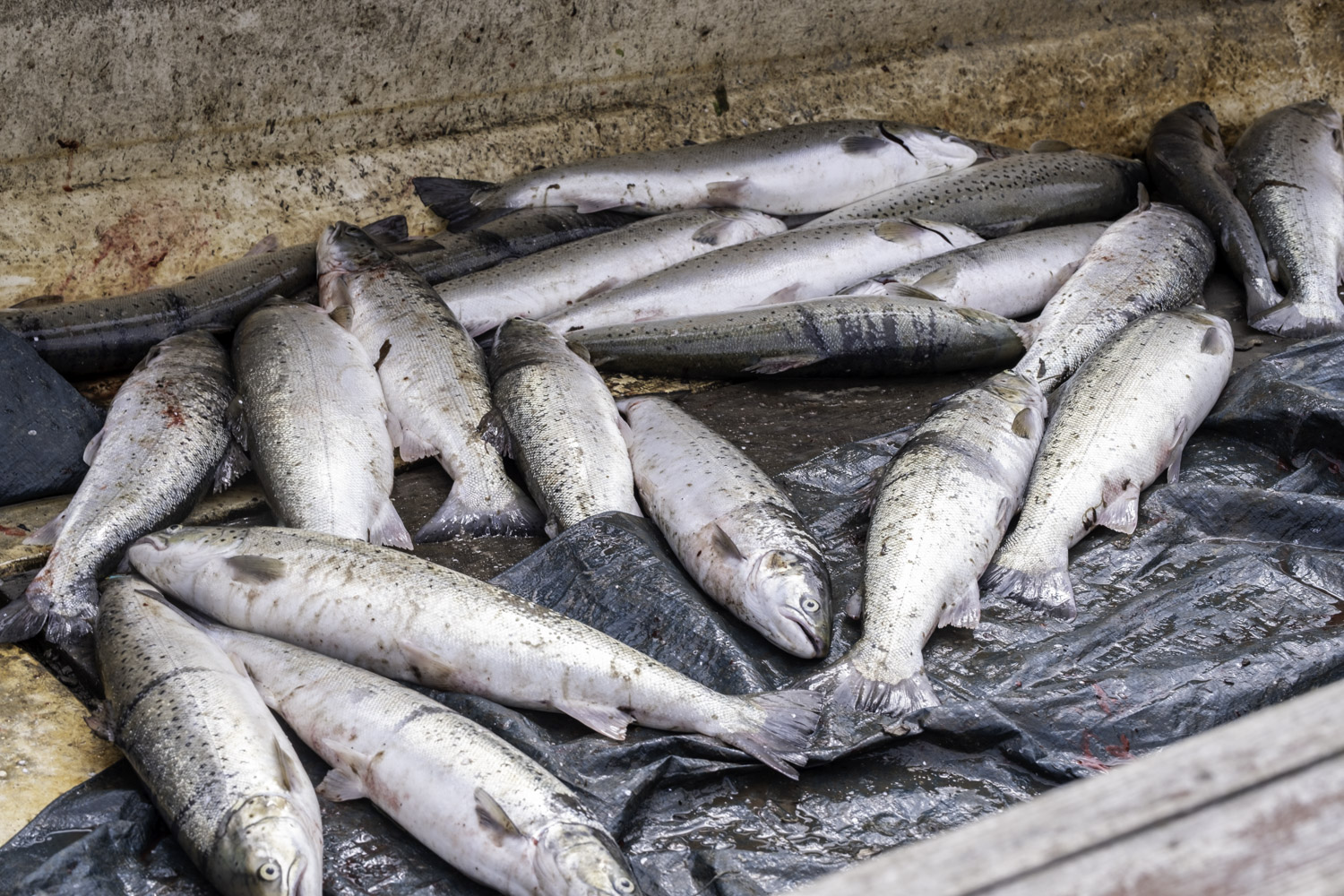
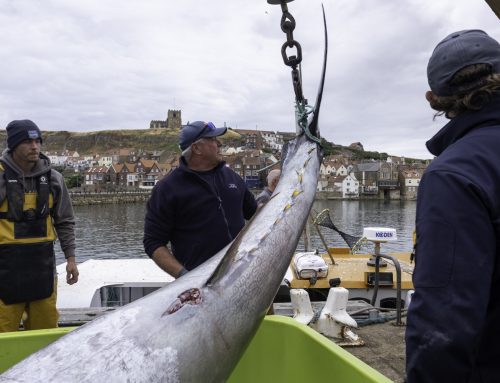
Sea Trout Fishing At Whitby