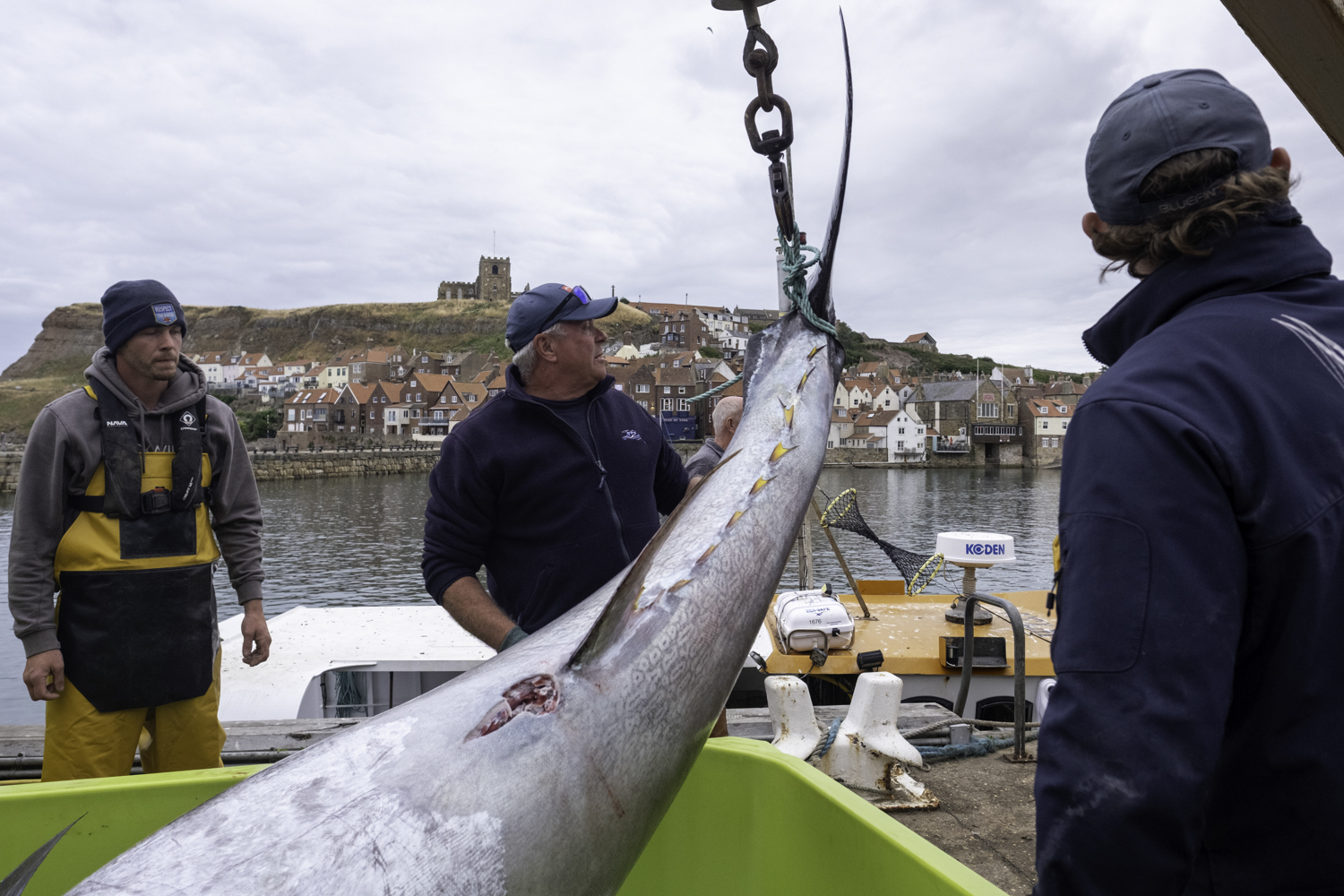
Sandsend Salmon Men
Fishing For Migratory Sea Trout At Sandsend Beach, Near Whitby, North Yorkshire
Photographed on 3rd June 2019 – High resolution Images Are Available.
For as long as I can remember, the sea has been one of the biggest influences in my life.
Like many lads growing up in Whitby, I started out fishing from the piers for mackerel during the summer months and from the harbour for flounders and coalfish. As I grew older, fishing became something of an obsession. Countless hours were spent on the piers, rocks and cliff marks around the Yorkshire coast chasing winter cod, often in conditions that most sensible people would have avoided. Later came more than a decade of kayak fishing and my involvement with The Whitby Bass Club.
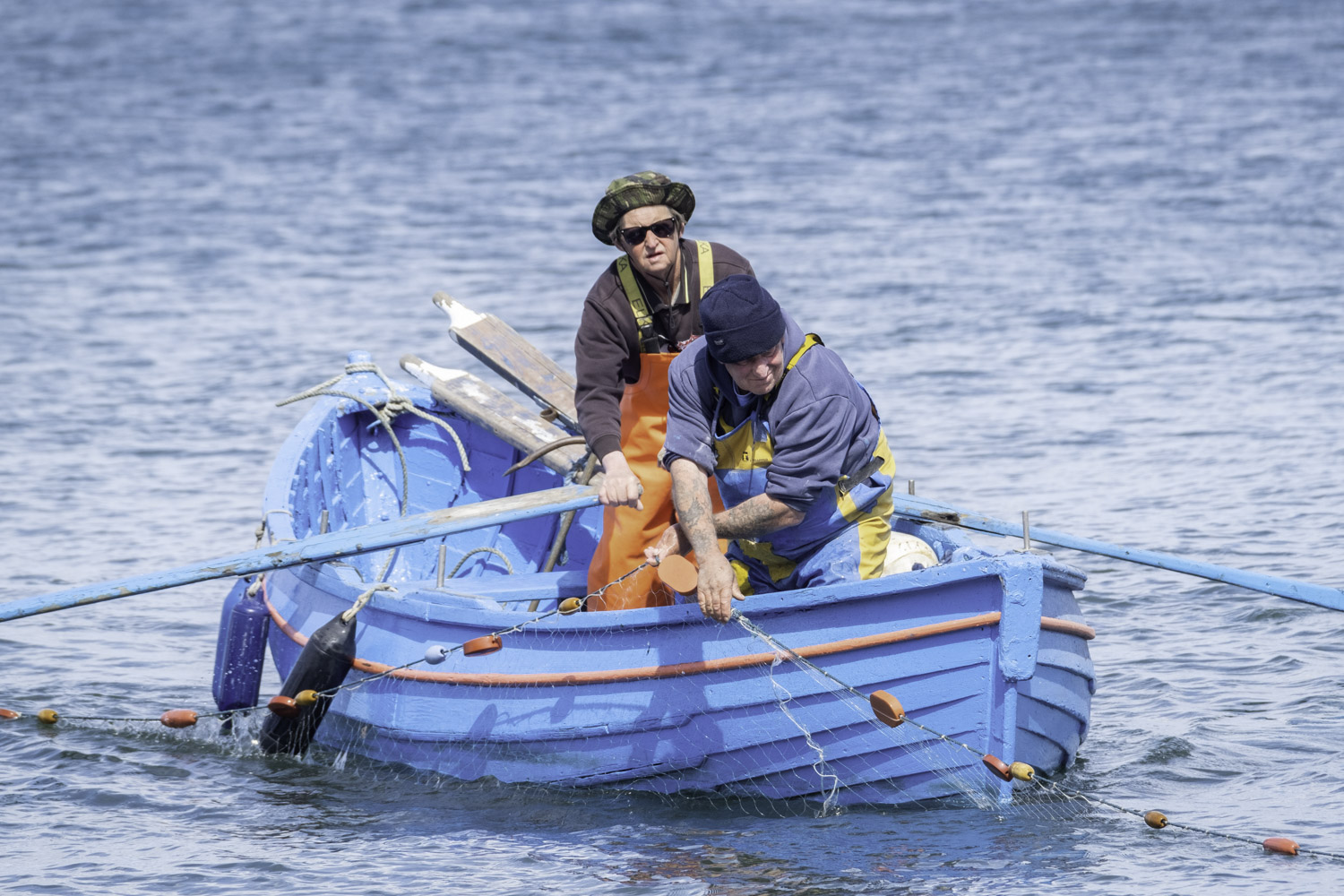
Whitby Sea Trout Fishing Donna Marie And Phoebe
Throughout those years, one thing remained constant. The commercial fishermen were always there. Whether hauling pots, netting salmon and sea trout or working other fisheries, they formed part of the backdrop to life on the Yorkshire coast. It was perhaps inevitable that when I eventually picked up a camera, many of those fishermen and fisheries would become subjects of my work.
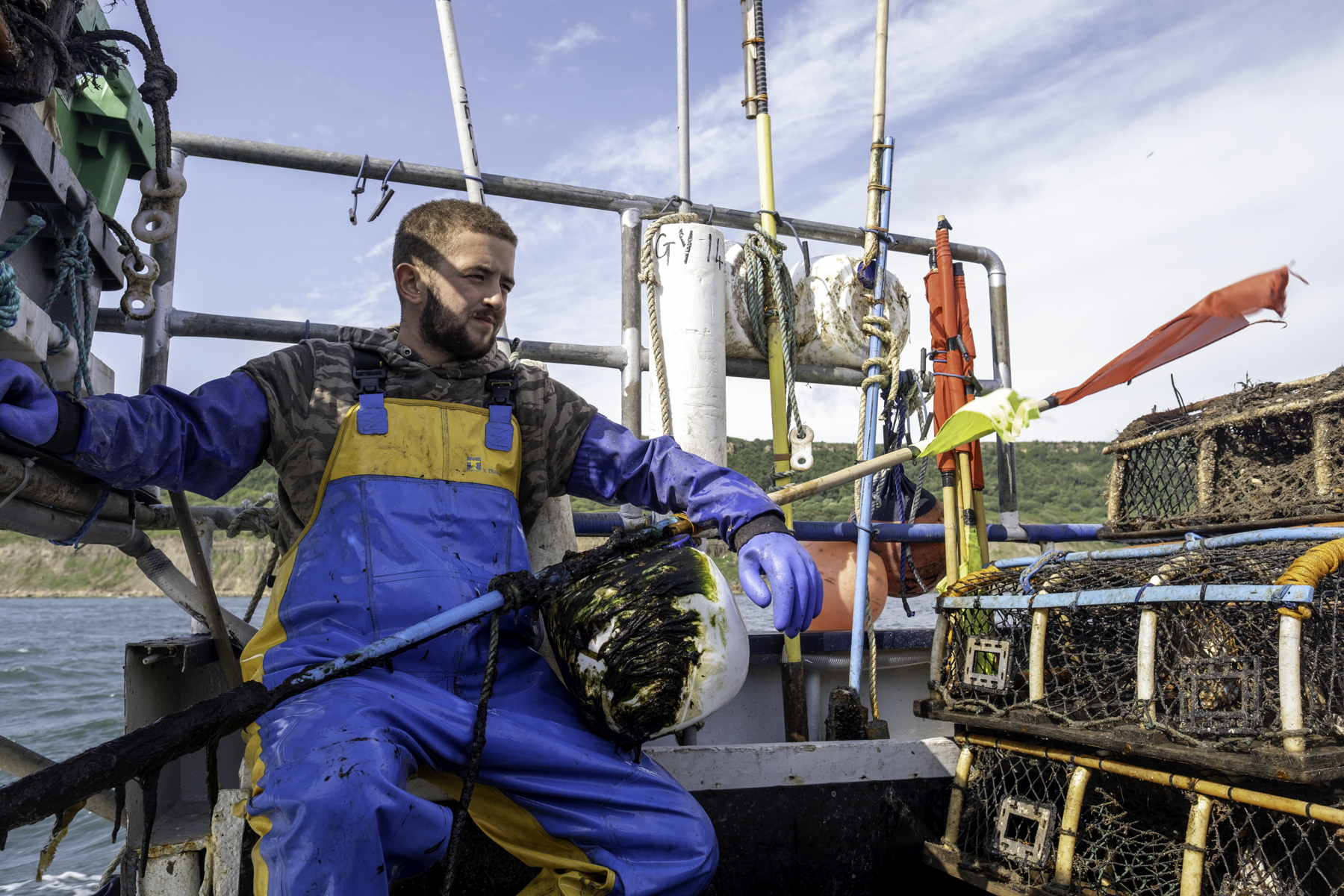
Among them were the crew of the small fishing boat Phoebe and her mothership Donna Marie. For many years they were a familiar sight to those involved in the migratory sea trout and salmon fishery around Whitby and Sandsend.
When these photographs were taken in June 2019, the future of that fishery was already looking uncertain.
For generations, fishermen along the Yorkshire coast had targeted migratory sea trout and salmon using fixed nets. By 2019, however, increasing restrictions had reduced the season to just two months. The fishery could only operate during May and June.
For many fishermen, May was often a frustrating month. Fish numbers were generally lower and catches could be inconsistent. June was when hopes began to rise, particularly as the month progressed and larger numbers of migratory fish started to appear along the coastline.
The problem was that June passed quickly.
By the time fishermen felt the season was beginning to improve, they were already looking towards the end of it. At midnight on the last day of June, the season would close once again. For photographers interested in documenting the fishery, opportunities were equally limited. There were only a handful of weeks each year in which to record this traditional way of life, making every chance to photograph it valuable.
Adding further frustration for fishermen was the requirement that any salmon caught during the season had to be returned to the sea whether alive or dead. Many struggled to understand the reasoning. To them it felt as though increasing restrictions were being imposed upon a fishery whose participants were already declining in number.
There was also a growing fear that the fishery itself might eventually disappear altogether.
On this particular morning, the crew were working from Sandsend beach, a few miles north of Whitby. The operation itself was simple but effective. Phoebe would be dragged from Whitby harbour to Sandsend before being rowed out to shoot, manage and haul the nets.
Watching from the beach, one thing quickly became obvious. The nets had to reach right to the shoreline.
Any gap left between the end of the net and the beach could provide an escape route. Sea trout are remarkably adept at finding a way around obstacles and could pass through only inches of water if given the opportunity. For that reason the nets were worked extremely close to shore, often far closer than many beach visitors realised.
The contrast was striking. Nearby, people walked dogs, enjoyed the beach or simply watched the sea. Just a short distance away, one of Yorkshire’s oldest fisheries was quietly going about its business.
There were no large crews, no sophisticated electronics and no expensive machinery. Instead there were small boats, practical seamanship and generations of accumulated local knowledge. Success depended upon understanding tides, weather, fish movements and the unique characteristics of a coastline that these men had spent much of their lives working.
What struck me most was how little public awareness there seemed to be of the fishery itself.
Thousands of people visit Sandsend every year. They come for the beach, the scenery and the coastline. Yet few realise that these waters once supported a specialised migratory fishery, or that generations of local families built their lives around it.
The fishermen involved were not preserving history for the benefit of tourists. They were working men attempting to earn a living from the sea in the same way many had before them. The skills required were learned over decades and passed down through experience rather than textbooks.
Looking back now, these photographs feel more significant than they did at the time.
What appeared to be an ordinary morning’s fishing was, in reality, a record of a fishery already facing an uncertain future. The concerns being expressed by fishermen in 2019 were not simply complaints about regulations. Many genuinely feared they were witnessing the gradual disappearance of a way of life that had existed along the Yorkshire coast for generations.
Today, the photographs serve as more than a record of a day’s work. They preserve a small piece of Yorkshire’s fishing heritage and document a fishery that few people ever saw and even fewer fully understood.
The images below capture a brief moment in that story. They are a reminder of the men, boats and traditions that helped shape this coastline and whose future, even then, was far from certain.
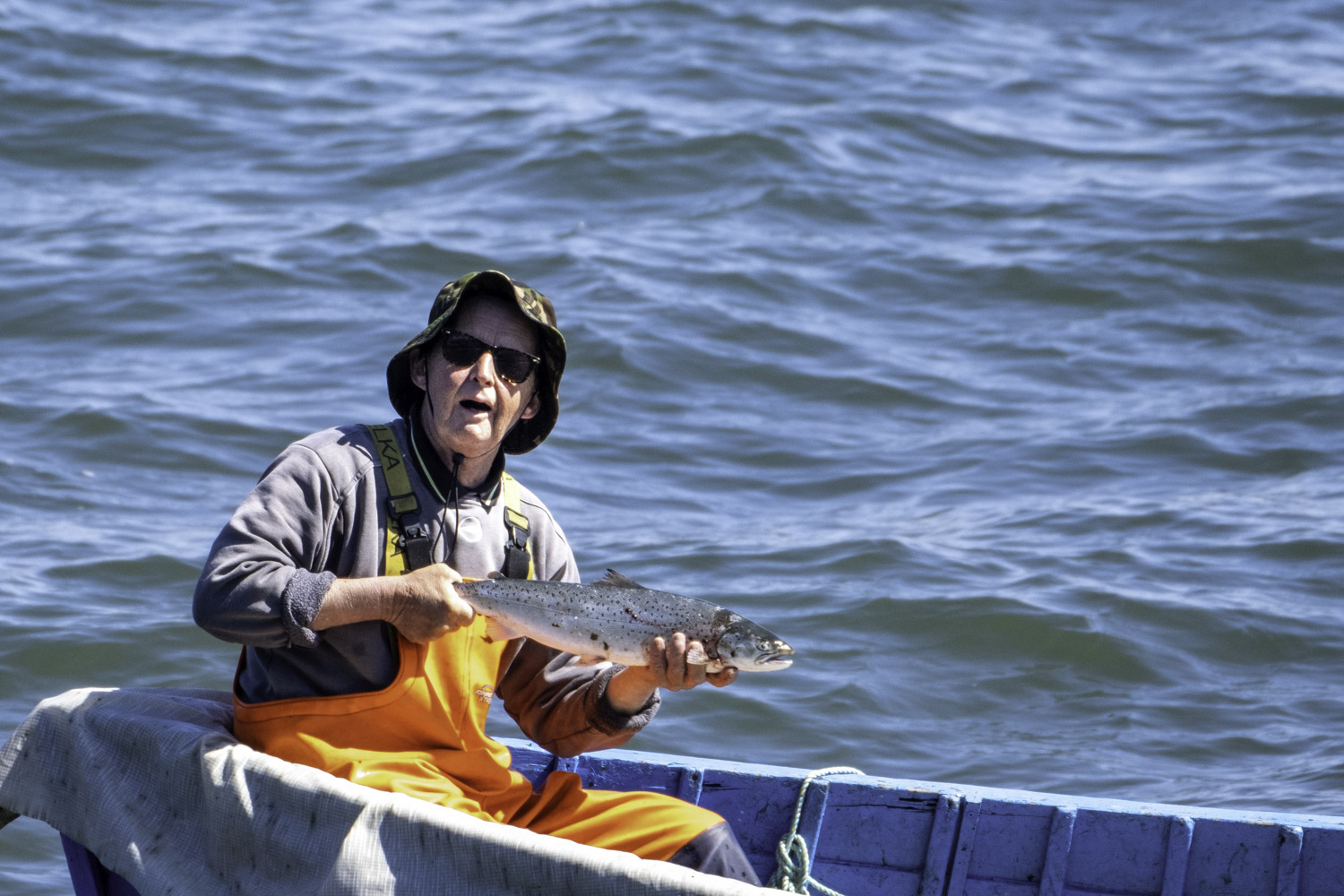
Whitby Sea Trout Fishing Donna Marie And Phoebe
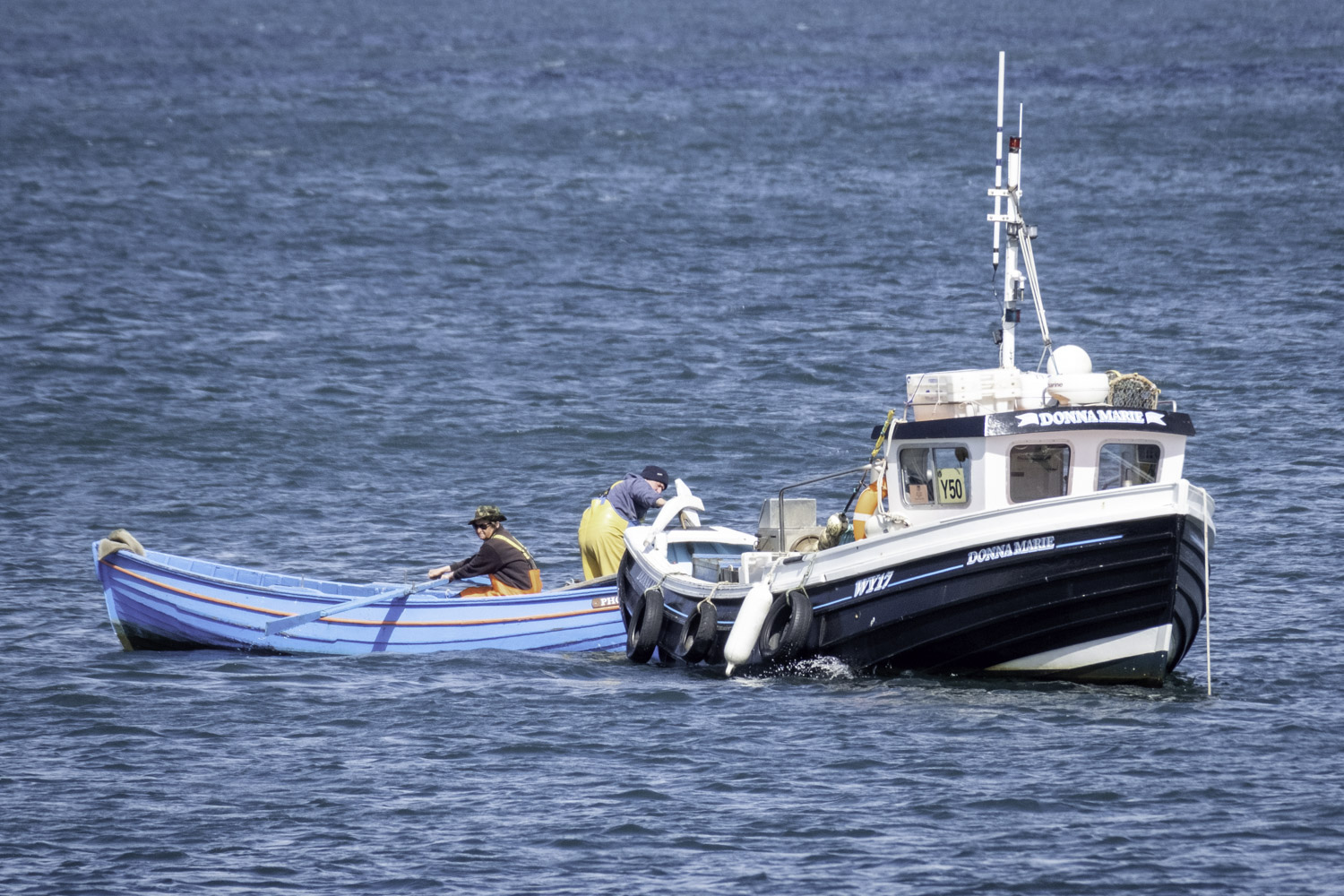
Whitby Sea Trout Fishing Donna Marie And Phoebe
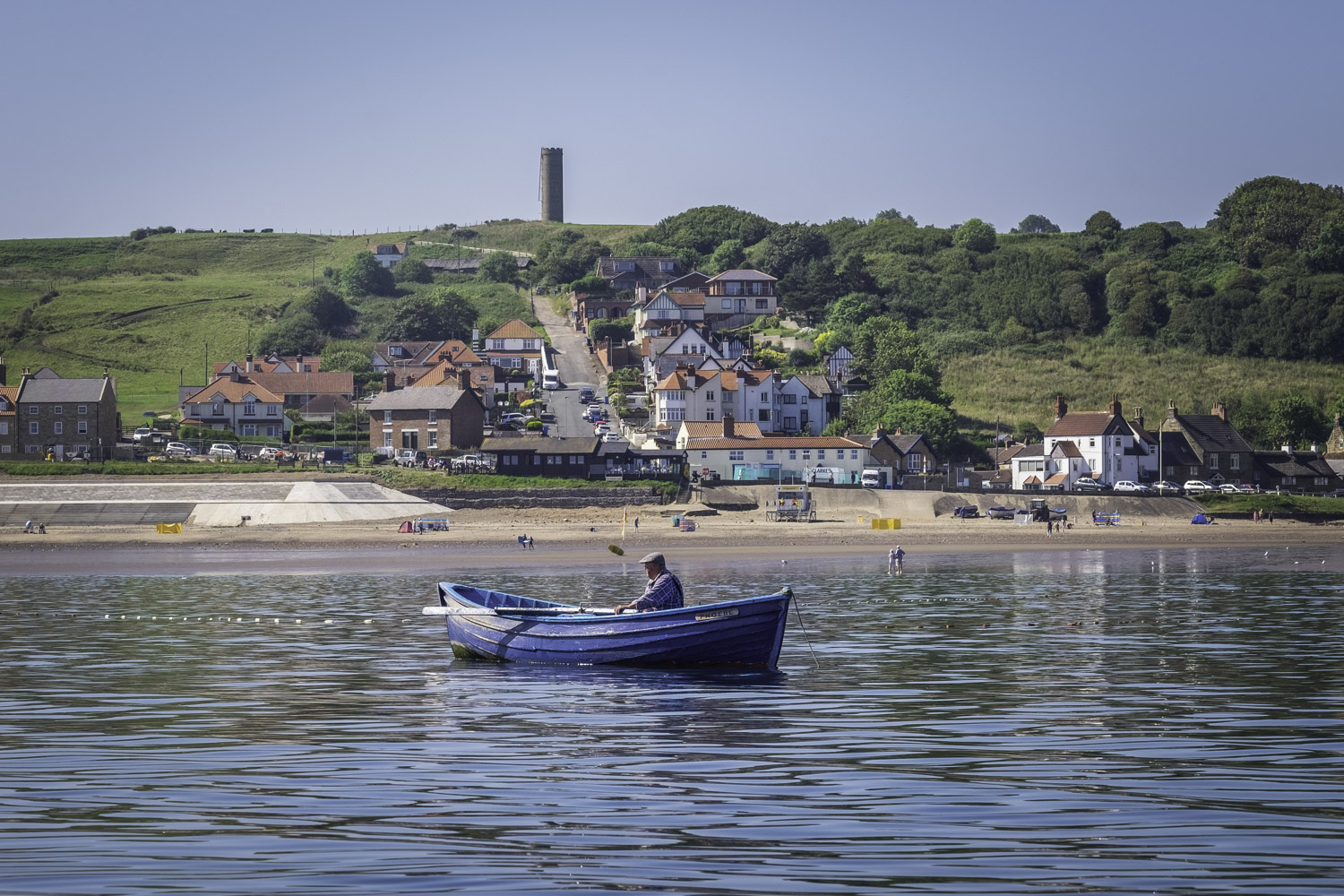
Whitby Sea Trout Fishing Donna Marie And Phoebe