My Day Tunny Fishing on Alexia 2 At Whitby
I’ve been fascinated by the Tunny for as long as I can remember. It started when I was a young kid, standing outside our local fishing shop, Whitby Angling Supplies, run by Eric Wilson, and staring into the window at photographs of some of the remarkable fish caught from Whitby. Whitby was no stranger to big fish and British records, with the waters off our coast producing enormous cod, coalfish, monkfish and many other exceptional catches. But for me, the icing on the cake was the photograph of an absolutely enormous Tunny, a fish that seemed bigger than the man standing beside it, Lorenzo Mitchell-Henry.
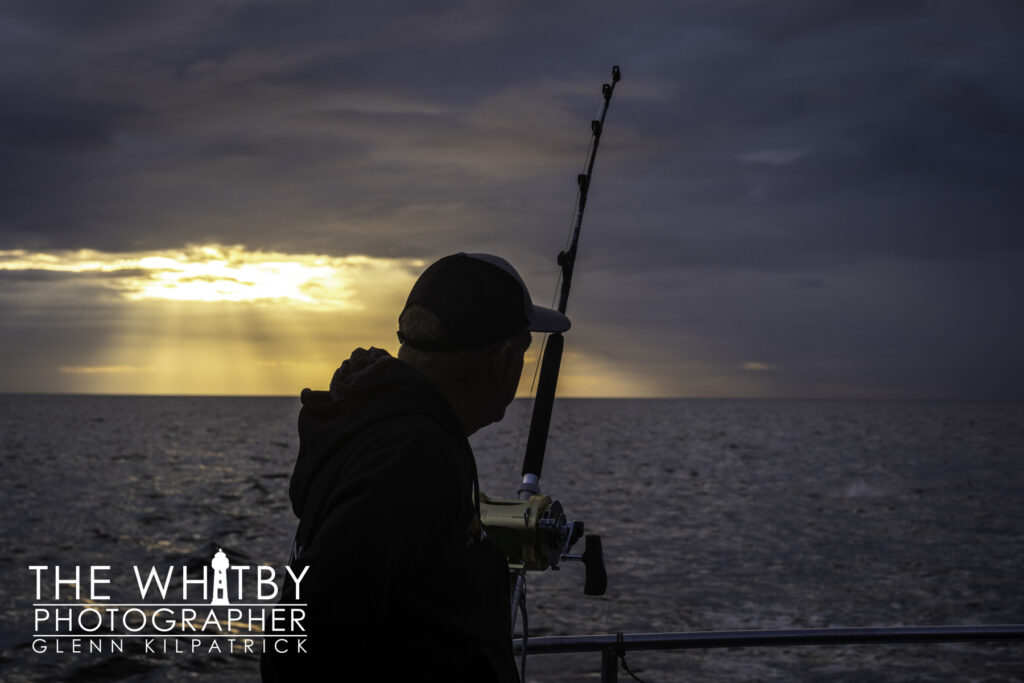
Daybreak – Tuna Fishing At Whitby
As a young kid I would stare at that photograph and imagine what it must have been like to catch a fish like that. Years later I discovered there was an extraordinary story behind those old pictures, and the book Tunny: The Rise and Fall of Britain’s Biggest Fish opened up an entire lost chapter of Yorkshire fishing history to me. Before the Second World War, giant Atlantic bluefin tuna were regularly encountered off the Yorkshire coast, with much of the famous sporting fishery centred around Scarborough. Wealthy anglers travelled from across Britain and beyond for the chance to catch what was then one of the biggest game fish available anywhere in Europe.
Lorenzo Mitchell-Henry became one of the great names from that period. As the story is told, he became unhappy with some of the methods being used by the Scarborough Tunny anglers and transferred his efforts to Whitby. Whatever the arguments of the time, the result became part of Whitby fishing history when Mitchell-Henry landed his enormous 851 lb Bluefin from a Whitby boat. More than ninety years later, that fish remains one of the most famous catches ever made from Whitby.

Shimano Tiagra 80w Tunny Fishing Reel
That old Tunny fishing history eventually influenced my own fishing life as well. When we formed the Whitby Bass Club, we deliberately looked back to those great Yorkshire Tunny anglers for inspiration. Our club was built around friendship, fun and sharing knowledge so that everybody involved had a better chance of improving and catching good fish. The Whitby Bass Club eventually went on to catch what we regarded as the biggest fish ever caught from the shore in UK waters, but that particular story is for another day.
More recently, I became aware that the Bluefin were back. It must have been two or three years ago when I first read about the capture and subsequent release of a Bluefin tuna from Whitby, and when I saw the report and photographs one thing immediately made sense to me. If anybody was going to be involved in catching one of the first Tunny from the Yorkshire coast in around 80 years, it was always going to be Rupert Drury. I had known of Rupert for many years, going right back to the days when I ran the Whitby sea angling forums, and his catches were always that little bit special.
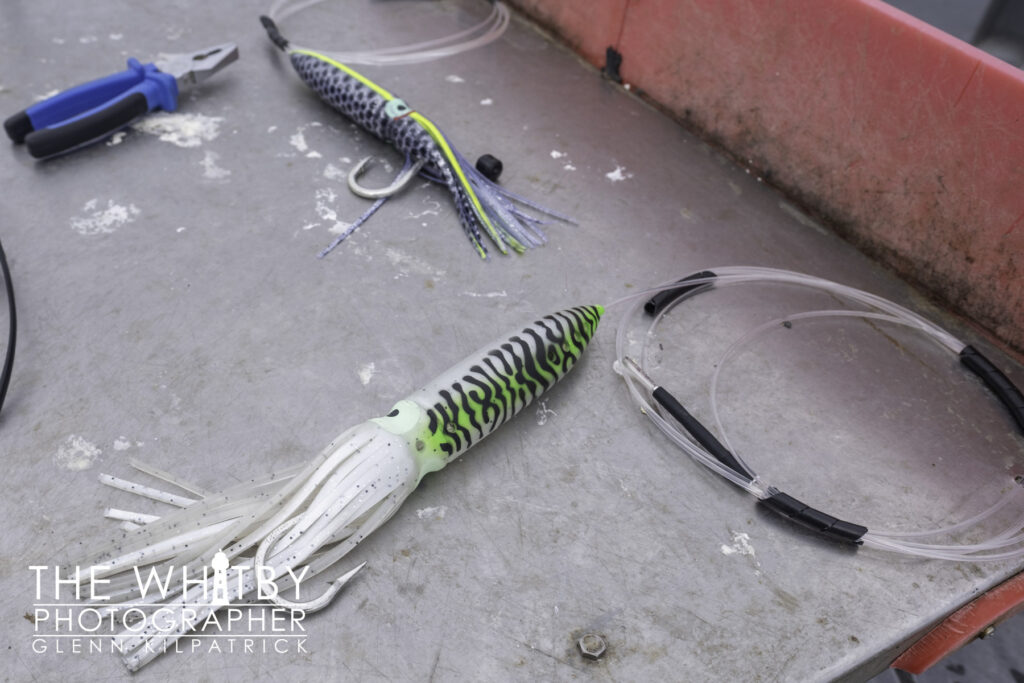
Tunny Fishing Rigs Alexia 2 Whitby
Rupert researched his species, did the groundwork, worked out the tackle and rigs and then went and caught the fish. Anyone who knows of Rupert will understand exactly what I mean. He is a pioneer of the modern sea angling world and somebody who has always been prepared to put the work in before expecting the results. Seeing photographs of those returning Bluefin somehow felt like another chapter of that same Yorkshire fishing tradition beginning again.
As word spread that the Tunny had returned, naturally more local boats wanted to become involved. A fishery that had effectively been absent from UK waters for the best part of a century was returning to the Yorkshire coast, but this time things were very different. Boats couldn’t simply head out and start fishing for Bluefin tuna, with the new catch-and-release fishery operating under strict rules governing how the fish were caught, handled and returned to the sea. Skippers and crews had to undergo the necessary training and follow strict procedures designed to give the fish the best possible chance of being returned safely.
Only more recently has a commercial fishery been allowed to develop alongside that catch-and-release fishery, again under very tight regulation and quota. For me, though, there was something I had wanted to do almost from the moment I learned that the Tunny were back. I wanted to photograph them and experience for myself something that had fascinated me since childhood. Eventually that opportunity came when I was invited aboard Alexia 2 for a day of Bluefin tuna fishing off Whitby.
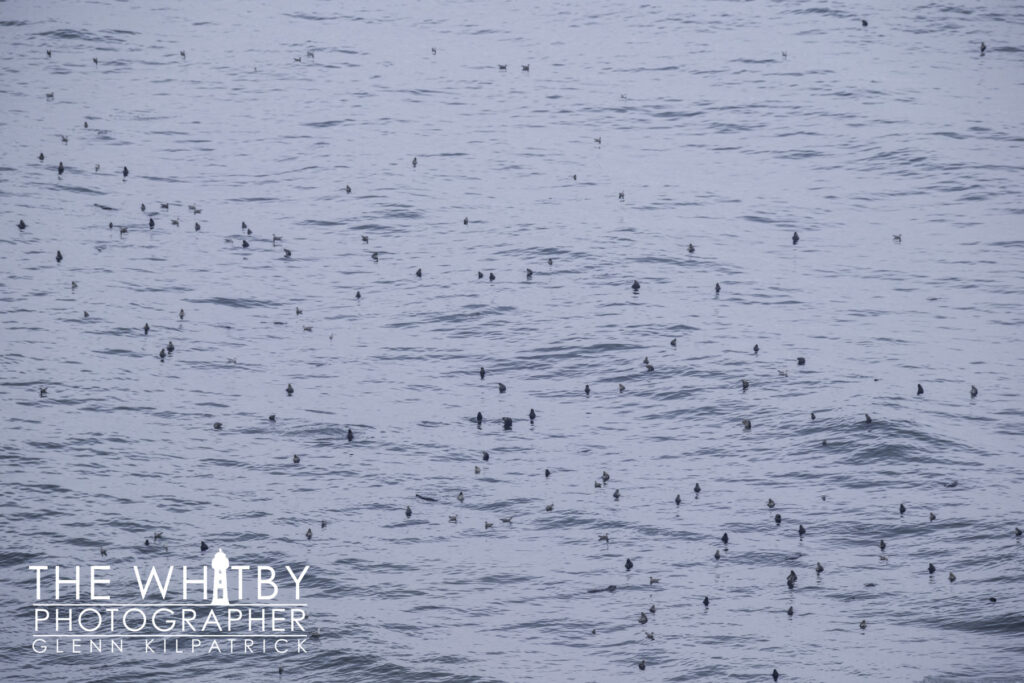
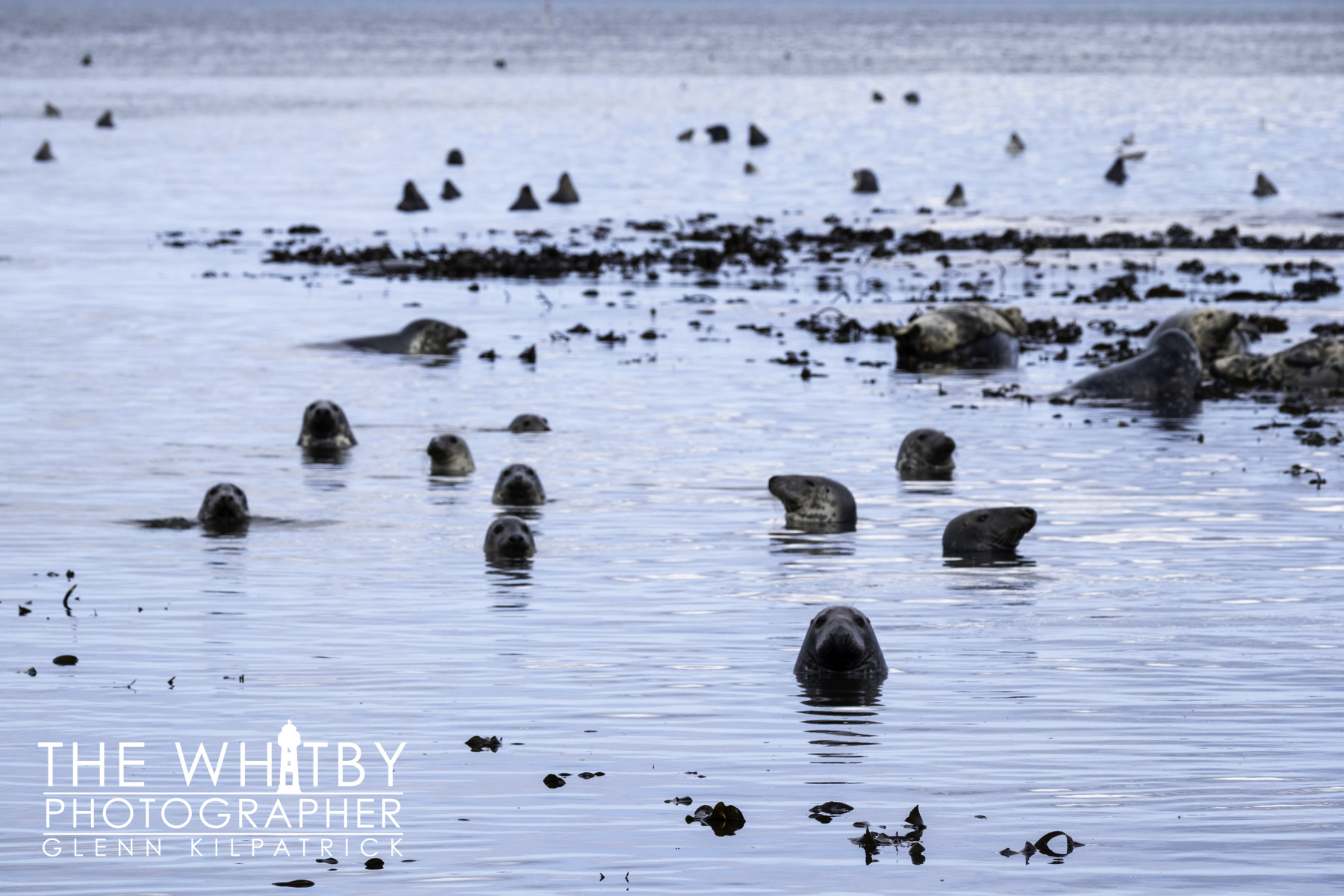
The North Sea Is Alive – Seals At Whitby
I was up at 5am, with my bag packed the previous night, lenses cleaned, memory cards ready and batteries charged. I wasn’t there as one of the paying anglers, as I had been invited along purely for the experience and to photograph what happened. The two gentlemen fishing that day were duck farmers from Humberside who had paid a considerable amount of money for the privilege, with all the specialist fishing equipment provided aboard Alexia 2. We sailed from Whitby at around 6am into a beautiful calm morning.
Passing between those famous Whitby piers is always special, but somehow it felt even more so that morning. Looking back towards the town, Whitby Abbey and St Mary’s Church stood high above us, just as they have watched generations of fishermen sail from the harbour for hundreds of years. Once you’re five or six miles offshore it becomes surprisingly difficult to judge exactly where you are, because the coastline opens up and places that seem a long way apart on land become visible at the same time. Sandsend, Runswick Bay and Staithes could all be picked out along the coast, and by my estimation we eventually began fishing somewhere around eight miles offshore from Runswick Bay.
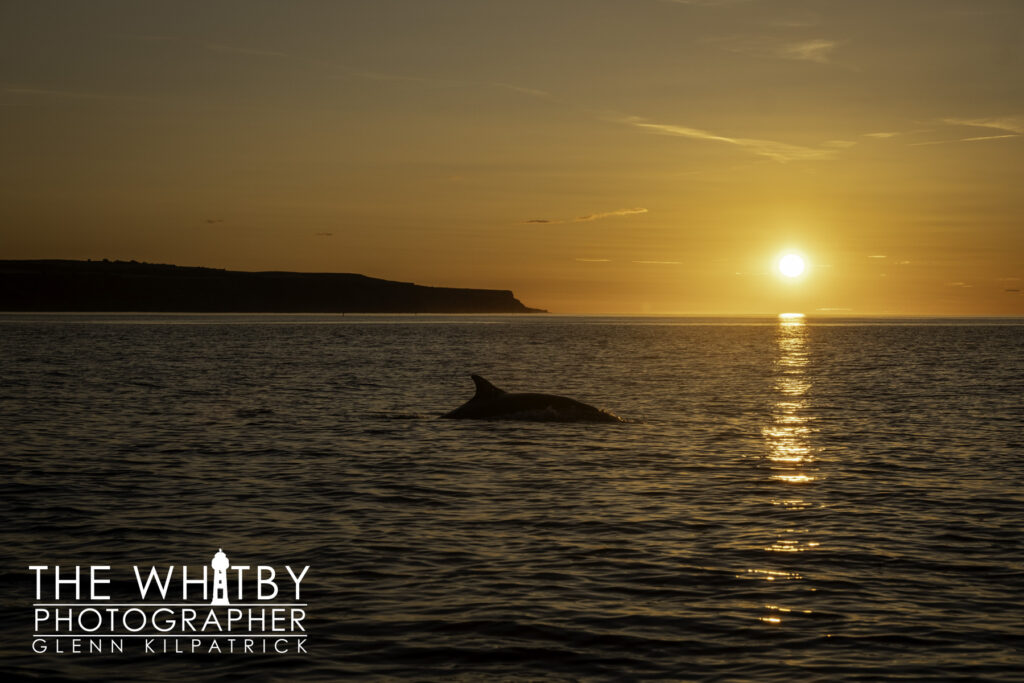
Dolphins Are Present Most Days On The Yorkshire Coast Now.
So how do you find a Bluefin tuna in the middle of the North Sea? From what I saw that day there didn’t appear to be any great technological wizardry involved, because the simplest rule seemed to be to find the wildlife and you find the fish. The gannets were the first giveaway, diving repeatedly across an area that must have covered around a mile of sea. As we moved closer, it became obvious that something quite extraordinary was happening around us.
Razorbills and guillemots were there in their hundreds, and then there were the seals. I’ve spent most of my life around this coast, photographing and watching wildlife, but I had never seen seals feeding quite like this before. They were actively hunting amongst the mass of life beneath us, and then came the icing on the cake with Minke whales surfacing all around the boat. Everywhere you looked there was something feeding, diving, surfacing or chasing something else.
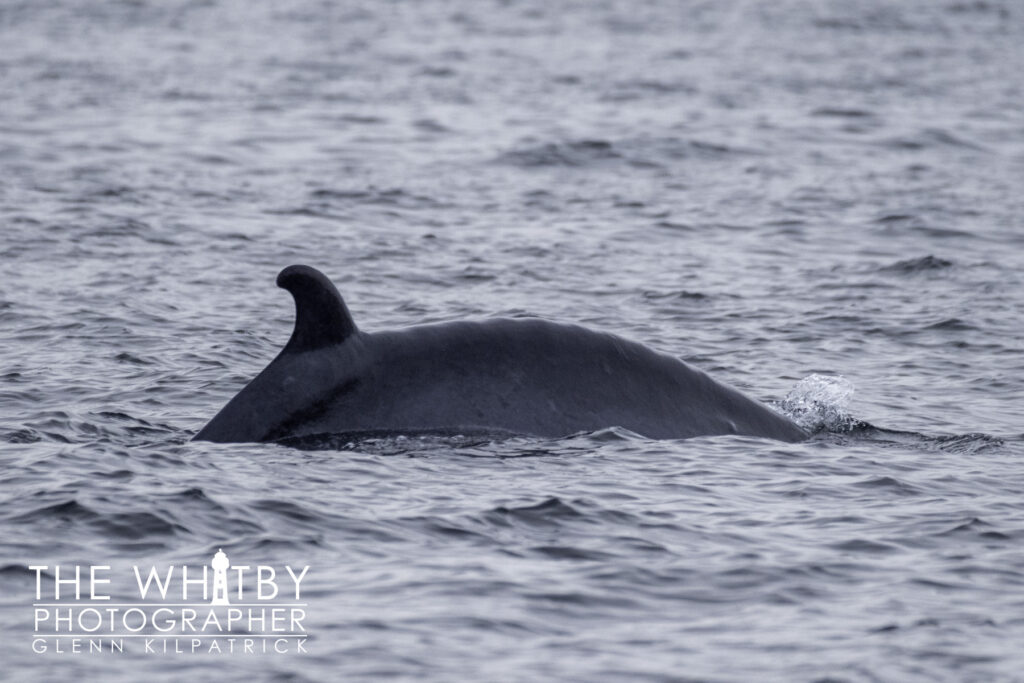
Minke Whales Off The Coast Of Whitby Whilst Fishing For Blue Fin Tuna Tunny
Standing there that morning I couldn’t help thinking back to a conversation I had many years ago with marine biologist Nigel Proctor. Around 15 years before all this became obvious to the rest of us, Nigel told me that the return of large shoals of herring to the North Sea could transform what we saw off our coast. He predicted that if what he was seeing continued, dolphins would return in numbers and whales would follow them. At the time it sounded almost unbelievable, but years later I was standing in the middle of the North Sea watching something remarkably close to what he had described.
I’ve written separately about that conversation and the prediction Nigel made to me, and you can read the full story on The Whitby Photographer blog. What matters here is that the North Sea I was looking at from Alexia 2 felt very different to the sea I remembered from years before. Dolphins and whales are now returning year after year, enormous seal colonies have appeared along parts of the coast, seabirds gather in huge numbers and at times the sea seems full of sandeels. The North Sea was alive.
For me, the return of the Tunny cannot be separated from that wider story. I have long believed that their previous decline from our waters was closely connected to the depletion of the food chain beneath them, particularly the enormous losses of herring and sandeels, alongside the massive overfishing of Bluefin elsewhere. Herring stocks were hammered for decades and their eventual recovery has been a story measured not in a few years but across something approaching a human lifetime. Sandeels too have faced enormous fishing pressure despite being one of the most important food sources in the North Sea ecosystem.
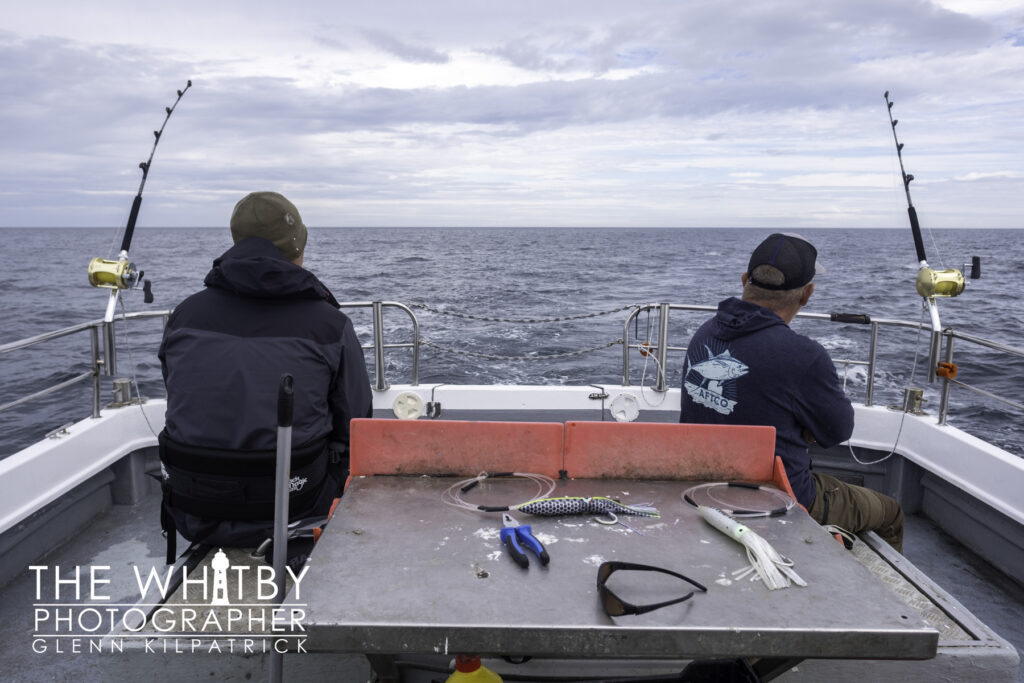
Tunny Fishing At Whitby On Alexia 2
The recent ban on sandeel fishing in English North Sea waters therefore feels hugely significant to me. Sandeels may be tiny, but almost everything seems to eat them, from puffins, guillemots and gannets to larger fish, marine mammals and ultimately the predators sitting at the top of the food chain. Protect billions of those little fish and the benefits work their way upwards through the entire ecosystem. What I was seeing around Alexia 2 that day felt like a glimpse of what happens when enough pieces of that food chain are allowed to exist together.
Then there is the extraordinary history of Bluefin exploitation away from our own coast. One of the most shocking stories I have come across concerns the Bay of Biscay, where millions upon millions of juvenile Tunny were once removed from the sea. Figures of around 12 million young Bluefin being taken give some indication of the enormous scale involved, and many of those fish were tiny compared with the giants they might eventually have become. When you remove fish in those numbers before they ever get the chance to mature and reproduce, it isn’t difficult to understand how quickly the wider population can suffer.
So when I look at the return of Bluefin to Yorkshire, I don’t see it simply as a story about a big fish coming back. I see herring returning after decades of recovery, protection for sandeels, reductions in the relentless exploitation of Bluefin and an explosion of life right through the North Sea food chain. Gannets, guillemots, razorbills, seals, dolphins, whales and eventually the great Tunny themselves are all connected. What disappeared once appears to be rebuilding.
Back aboard Alexia 2, the fishing tackle itself was unlike anything I had used during my own years of sea angling. It’s quite difficult to describe without seeing it, but essentially a large arrangement of imitation prey was trolled behind the moving boat, with the actual hooked lure trailing behind the others. The explanation given to me was wonderfully simple, because Tunny are predators and like many predators they will pick off the straggler. So the rigs went over the stern, the boat began towing them through that enormous concentration of life and we settled in.
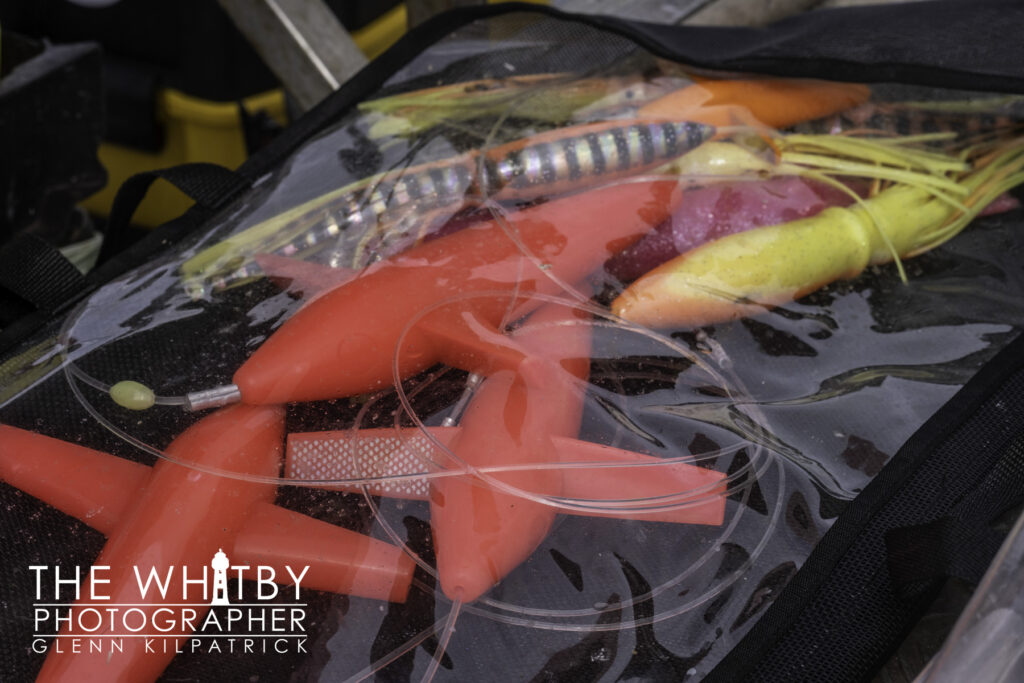
Blue Fin Tuna Fishing Rigs
Waiting while fishing can often be painfully boring, but when you’re surrounded by the sort of marine wildlife spectacle you’d normally expect to see in a David Attenborough documentary, you soon forget you’re waiting at all. Minke whales surfaced around us while gannet after gannet folded its wings and crashed into the North Sea. Razorbills and guillemots covered the water and seals hunted amongst them, while the sound itself was something quite special. Birds called, gannets hit the water and whales broke the surface around the boat.
I remember thinking that perhaps, in years to come, wildlife obsessives like myself might happily pay hundreds of pounds simply to come out here and witness and photograph something like this. There was clearly far more going on than simply catching a fish, because if you love wildlife then this in itself was already a very special experience. Perhaps wildlife trips based around this returning abundance could eventually become another benefit to the local economy. It also raises a bigger question about whether these great fish and the extraordinary wildlife surrounding them might ultimately be worth far more to our coastal communities alive than dead.
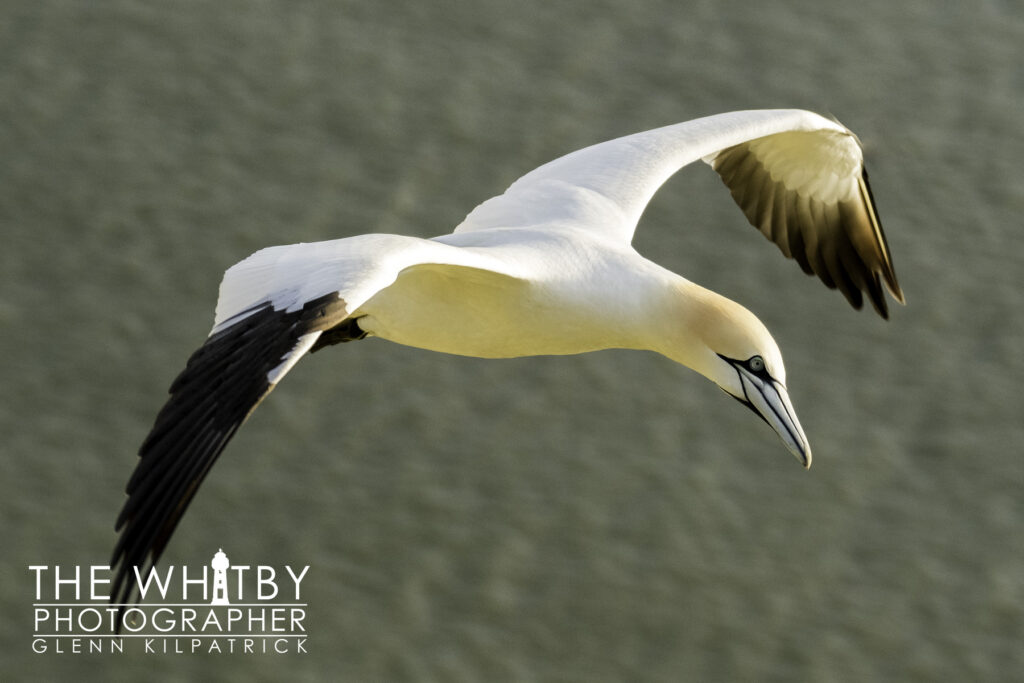
Gannets Feeding Off The Coast At Whitby
Then, just as we had almost forgotten about the fishing, everything changed. The reel on one of the rods suddenly came alive, there was an enormous splash behind the boat and line started disappearing from the reel at an astonishing rate. Both anglers were now dressed for the occasion and clipped into the fighting equipment, looking to me rather more like they were about to be catapulted into space than catch a fish. The fight was on.
The spool just kept turning as hundreds of metres of line seemed to disappear while the Tunny headed away from us. I had absolutely no idea how much line one of those reels actually held, but I remember watching it vanish and wondering what happened when the fish reached the end. Apparently, that wasn’t something I needed to worry about. Twenty minutes later the fish was still going, and then suddenly everything stopped.
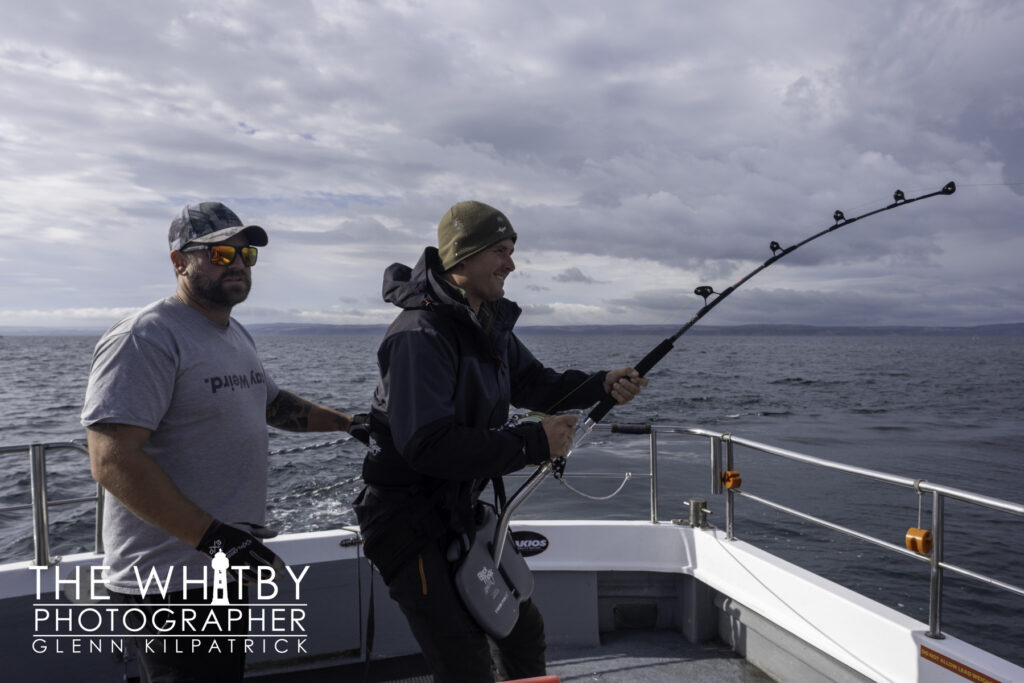
Fish On – Bluefin Tunny Fishing At Whitby On Alexia 2
The line went slack and the fish was gone. I’m not sure who was most devastated because by then all of us were desperate to actually see one of these enormous Bluefin alongside the boat. There was at least some good news because the fish appeared simply to have shed the hook, with the tackle coming back to the boat and nothing left trailing behind it. For a fishery based on catch and release, that matters.
There is now a growing amount of research into exactly what happens to these fish after they have been hooked, fought and released, and that is something I intend to look at separately. Research involving organisations including the University of Exeter and Cefas is helping us understand far more about these remarkable fish, while work around the Yorkshire coast is also looking at tagging and movements. That research deserves a full article of its own because the more we know about what happens to these fish after release, the better equipped we are to manage the fishery properly. For now, though, we had to start again.
The rigs went back out and I was told that this wasn’t cheap tackle. Some of the professionally made rigs used in this type of fishing can be worth around £250 each, so nobody wants a Bluefin swimming around the North Sea trailing one behind it. Quite apart from the obvious welfare concerns, losing expensive specialist rigs every time a fish escaped wouldn’t make much commercial sense either. Everything went back into position and once again we waited.
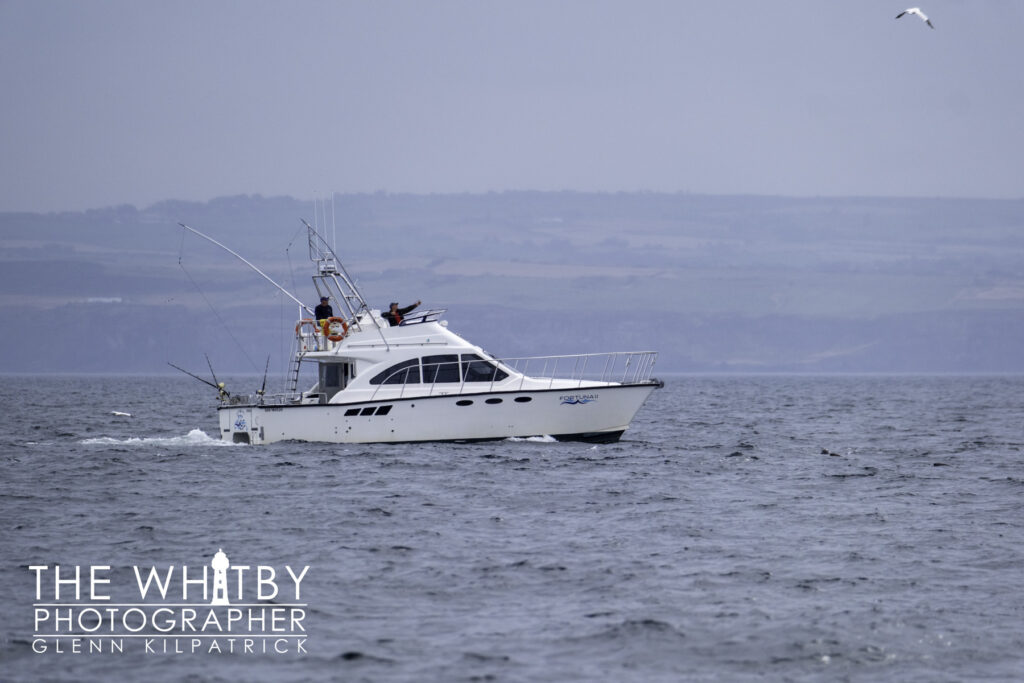
Whitby Bluefin Tuna Fishing – Tunny Fishing Boat Fortuna
As I looked around at the other boats working the same patch of North Sea, it suddenly struck me that almost every part of Yorkshire’s new Tunny fishery seemed to be represented around us. Fortuna was there, fishing with science very much in mind and working with researchers from the University of Exeter, while Whitby’s catch-and-release fleet was also present with boats involved in work to catch, tag and release Bluefin. Then there was Dominator, Whitby’s commercial Tunny boat, operating under a very different system where fish could be landed and sold. At some point we noticed her heading back towards Whitby.
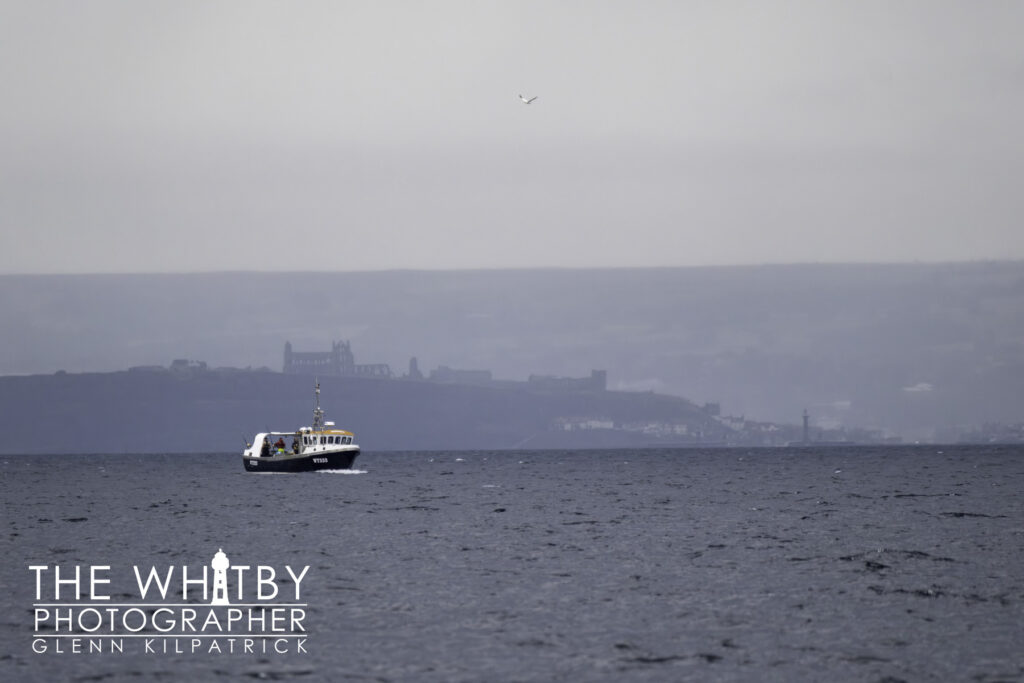
Whitby Bluefin Tuna Fishing – Tunny Fishing Boat Predator
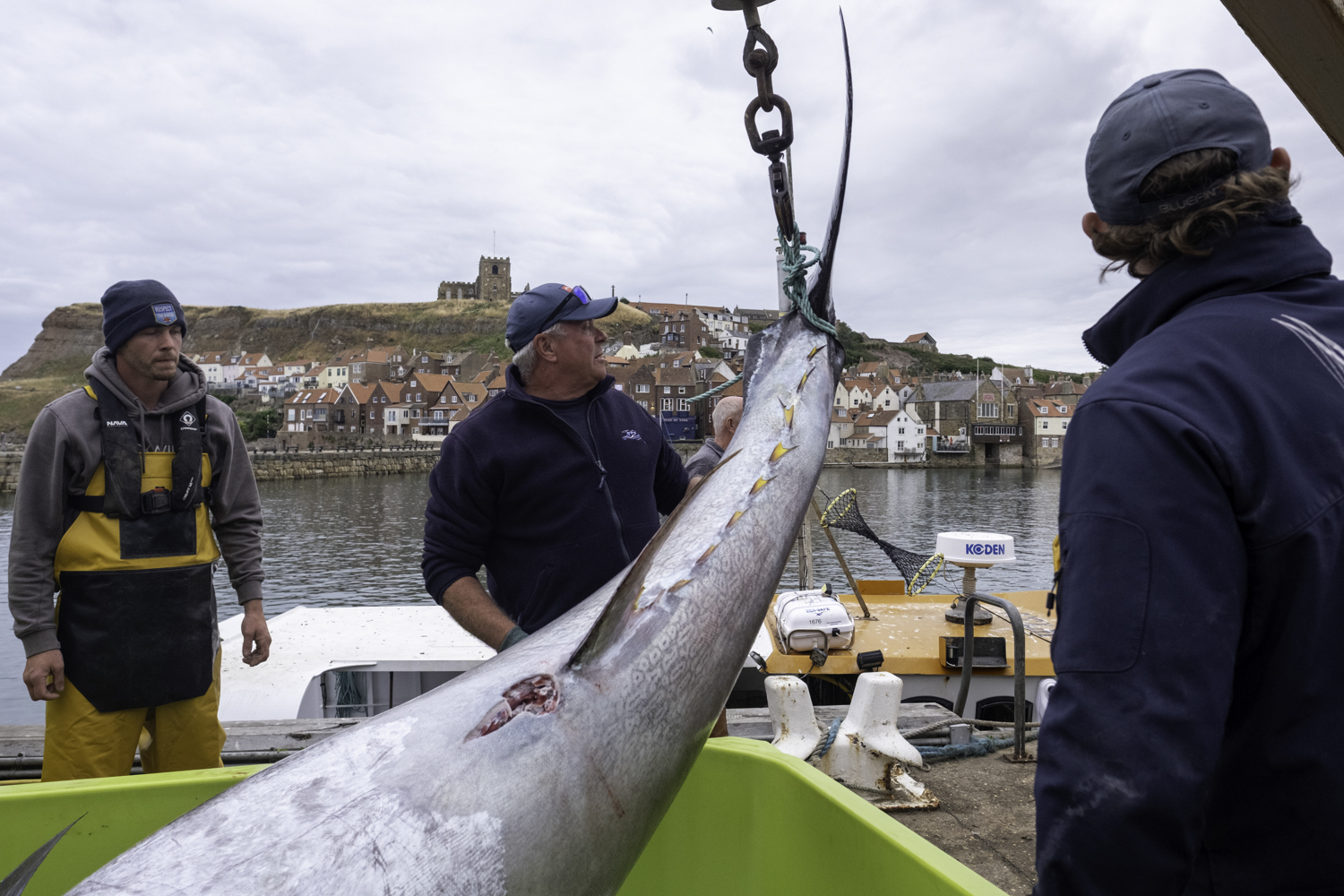
We later learned why. Dominator had caught a Tunny and that fish would ultimately fetch around £5,000. So while we were still wondering whether we were ever going to actually see one, another Bluefin from the same patch of sea was already on its way back to Whitby. Thankfully, we didn’t have long to think about it because by around 10am one of our reels suddenly came alive again.
Our second hookup followed much the same pattern as the first. The angler was strapped into the fighting gear, the rod bent over and once again an enormous Bluefin started taking line. The fight went on for roughly thirty minutes and all of us were thinking that surely this time we were finally going to see one. Then came that horrible moment again as the line went slack and the fish was gone.
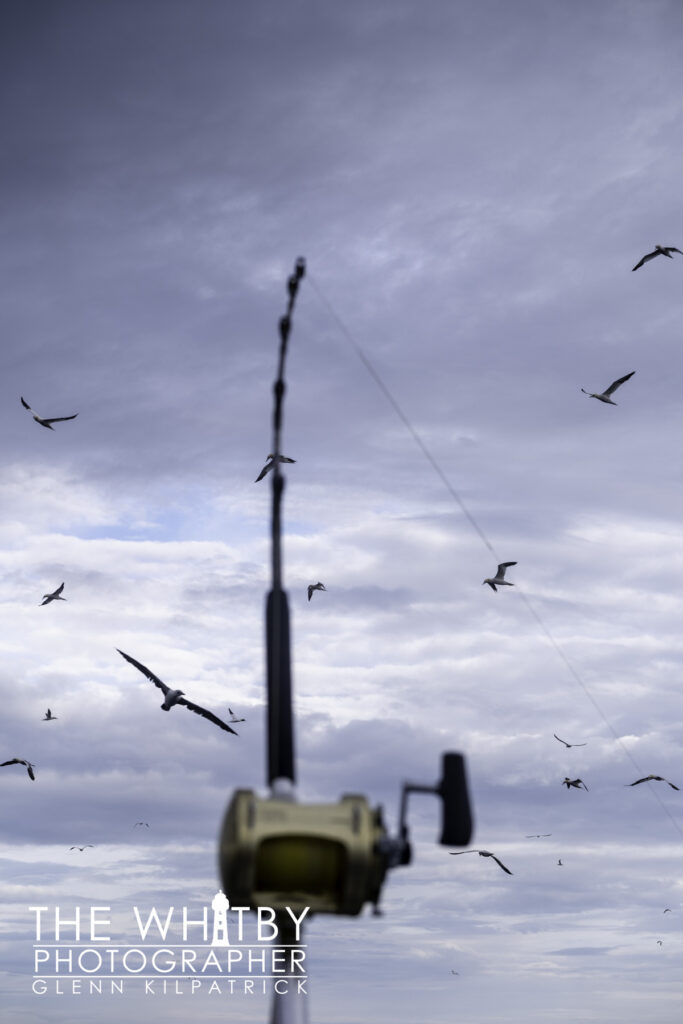
Gannets In The Air – Bluefin Tuna Fishing At Whitby
Another escapee meant the score was now Tunny 2, Alexia 2 0. We had spent the best part of an hour fighting two enormous Bluefin tuna and still hadn’t actually seen either of them. By now the whole thing was becoming slightly ridiculous, although there was still plenty of time left in the day. Surely we weren’t going to come all this way, hook two of the biggest fish in the North Sea and never actually see one.
Then came the third hookup, and by this point the story gets almost boring because exactly the same thing happened again. Fish on, another long fight and then fish off. Were the hooks sharp, had anybody actually checked there was a hook on there, or was today simply destined to become the story every angler eventually tells at some point in their life? “Did I ever tell you about the one that got away?”
Unfortunately, we now had three of them. Three Bluefin had taken our lures and three Bluefin had escaped before reaching the boat. Tunny 3, Alexia 2 0 was not quite the scoreline any of us had been hoping for. More importantly for me, I still hadn’t actually seen the fish I had spent most of my life wanting to photograph.
Dan never gave up. We moved a few miles in one direction and then a few miles in another, constantly searching for another opportunity and staying amongst the wildlife and feeding activity. There was never a moment where he appeared to decide that was enough and simply head for home. We stayed in the thick of it and kept trying right until the end.
The hours began to slip away. One o’clock became two, then three and eventually four, but nothing else took the bait. By then it was becoming obvious that our chance had gone and it was time to start heading back towards Whitby. We had not seen a Bluefin alongside Alexia 2, but there was absolutely no doubt that the fish were there.
We had hooked three of them ourselves. Other boats had caught Bluefin that same day, with Fortuna reportedly bringing three fish to the boat while Dominator had landed a huge fish back into Whitby which would sell for around £5,000. For us, though, it was three hookups and three escapees. That is fishing.
Both paying anglers had spent a considerable amount of money to be out there, yet both said the wildlife alone had made their day. I understood exactly what they meant because the fishing had almost become secondary to what we had witnessed around the boat. We might not have photographed a Bluefin alongside Alexia 2, but I had seen a side of the North Sea I had never witnessed before. For me, that alone made the experience special.
Heading back towards Whitby, I found myself thinking about what this coast must have looked like during the great Tunny years of the 1930s and 1940s. Perhaps what I had just witnessed was a glimpse of that old North Sea, before the herring were hammered, before sandeel fishing reached the enormous scale we later saw and before the Bluefin themselves disappeared. For the first time in my lifetime, perhaps we are beginning to see what this ecosystem looks like when some of that abundance returns. The Tunny are back, of that I have absolutely no doubt.
The bigger question is whether we have learned anything from what happened before. Will we allow the herring stocks to recover properly or eventually fish them down again, and will pressure return to the sandeels that support so much of the wildlife above them? As Bluefin numbers increase, there will inevitably be commercial pressure to catch more of them as well. History tells us what can happen when short-term opportunity becomes more important than protecting the resource that created that opportunity in the first place.
The story of millions of baby Tunny being removed from the Bay of Biscay should surely serve as a warning. The collapse of herring and pressure on sandeels should serve as another. Human greed is something I remain deeply sceptical about because once somebody discovers that a natural resource has a financial value, history suggests somebody else will usually find a reason to take a little bit more. The challenge for fisheries managers will be making sure that this extraordinary recovery is not simply the beginning of another cycle of exploitation.
There is another possibility, though, and it is one I kept coming back to throughout the day. Perhaps the real value of this returning North Sea wildlife is not simply measured in tonnes of fish landed at the quayside. Maybe a Bluefin swimming beneath a wildlife boat, surrounded by whales, dolphins, seals and thousands of seabirds, can bring value to the Yorkshire coast over and over again. Perhaps people will travel here simply to see what I saw that morning.
Wildlife watching is already a significant part of tourism in many coastal communities around the world. If the North Sea continues to recover, there is no reason why the Yorkshire coast could not increasingly become part of that story too. Photographers, wildlife watchers and families would all pay to experience whales, dolphins, huge seabird feeding frenzies and perhaps even the possibility of seeing a Bluefin tuna breaking the surface. Protecting the fish could therefore protect livelihoods as well as wildlife.
For me, that is where the future becomes really interesting. Commercial fishing, recreational catch and release, scientific research, wildlife tourism, photography and the wider visitor economy do not necessarily have to be enemies if the resource beneath all of them is properly protected. The biggest mistake would be allowing any one interest to destroy the very thing everybody else depends upon. There should be room for the Tunny, the fisherman, the scientist, the wildlife watcher and the photographer.
As Alexia 2 headed back towards those familiar Whitby piers, I still hadn’t photographed the giant Bluefin I had dreamed about since being a boy staring through the window of Eric Wilson’s fishing shop. In one sense I suppose I had failed completely, because three Tunny had escaped and not one had posed for my camera. Yet strangely I didn’t feel disappointed. I had seen something much bigger than the single fish I had gone looking for.
I had watched a North Sea full of life. I had seen whales surfacing amongst feeding seals, gannets diving into shoals of fish and hundreds of razorbills and guillemots feeding around us, while somewhere beneath all of it giant Atlantic Bluefin tuna were hunting once again off the Yorkshire coast. Nigel Proctor had told me years earlier that this could happen if the herring returned, and now I had witnessed it with my own eyes. For The Whitby Photographer, that made the day far more than simply another fishing trip.
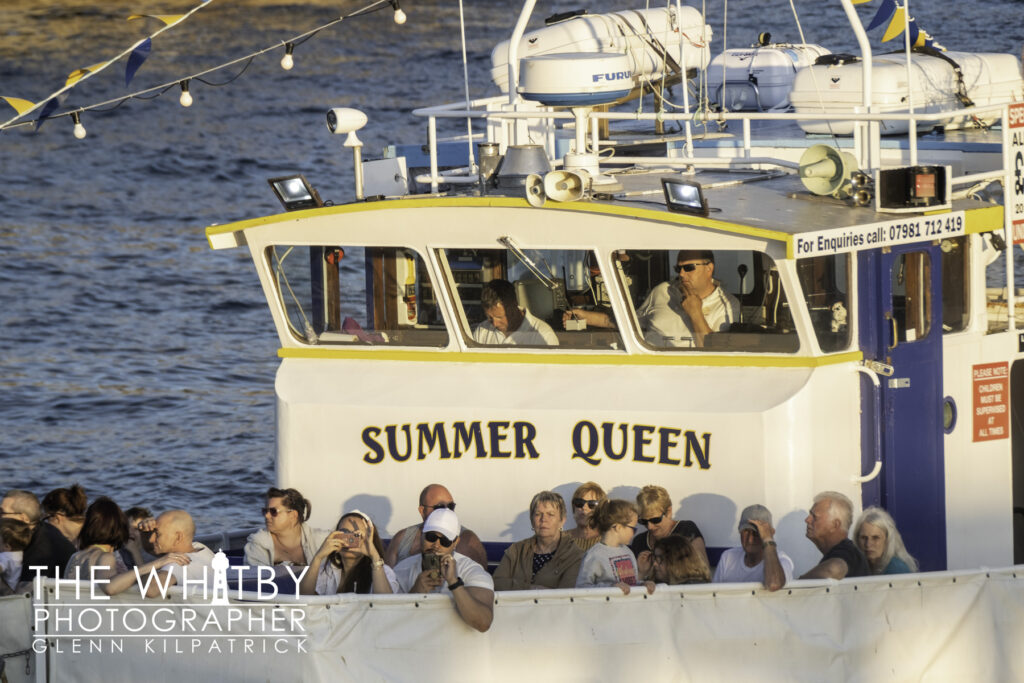
Wildlife Tourism At Whitby – About To Take Off ??
We returned to Whitby without our Tunny photograph, but perhaps that doesn’t really matter. The fish are back, the wildlife is returning and another chapter in the remarkable history of the Yorkshire coast is being written right now. Whether that chapter becomes another story of exploitation and collapse, or one of recovery and careful management, will depend entirely on what we do next. As far as I’m concerned, this story has only just begun.